For the beginning of spooky season, I wanted to highlight some new and old books that tackle the scariest of horror tropes. Female rage. Ie. the vampiress. The mad woman in the attic. The succubus. Woman who don’t tamp down their rage are regarded as monsterous yet they are fascinating.
These books are more in the contemporary vein than horror but they highlight different ways women are told to calm down, to shut up and ignore their gut feelings and the intternal fight to be taken seriously and for their justifiable rage to be heard.
Anger is Only a Shadow by Elizabeth Acevedo
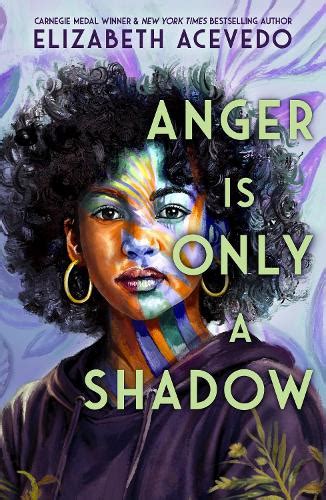
Lil is anything but small. She’s rebellious, she’s loyal; she’s figuring out what kind of good person she wants to be, or if she wants to be a good person at all. But more than anything? Lil wants to be free.
When her instinct for freedom leads to another stay in D.C. juvenile detention, Lil knows she’s lucky to just be on probation. But judgment, guilt, and an ankle monitor weigh heavily on her, and she can’t shake that pinned-down feeling.
The only person who might understand is her big brother, Aldwin. Except he’s more distant now than just the hundred miles where he’s away at college. Something’s been off with him for a couple of months, but only Lil seems to realize how important it is to get to him.
As her court hearing ticks closer, a question looms over Lil as the missed phone calls and strange texts from her brother pile up: will she follow the rules until her sentencing, or put her future freedom on the line?
This book combines Acevedo’s vivid verse, and pathos-infused prose through Lili. Lili seems to be the stereotypical “disrespectful” bad teen. She ditches school, she shoplifts, she crashes cars, and her parents dispair of her horrible decision-making skills. Yet Acevedo gives insight to her choices. She’s a teen. She makes rash decisions but a combination of her race, and her economic status boxes her into the label of bad kid. She isn’t given the benefit of the doubt but continued stays to the juvenile detention system.
And just as Lili is labeled the bad kid, her brother is the golden boy and the stigma against mental health issues in the latinx community make her parents blind to how Aldwin is spiraling.
Acevedo has real-life experience in teaching poetry and creative writing to the incarcerated and she brings humanity to Lili and her cell-mates, showcasing the hope for their future, their desires for freedom, and crushed dreams. But the poetry is a cathartic outlet as well.
There’s more introspective than anger, but the simmering anger is there, raging against societal prejudices and injustices and makes the reader think about how it is so normalized in society, and how the creative writing and arts can remind one another of our humanness beyond our mistakes.
Fight Song by Kirk Van Brunt
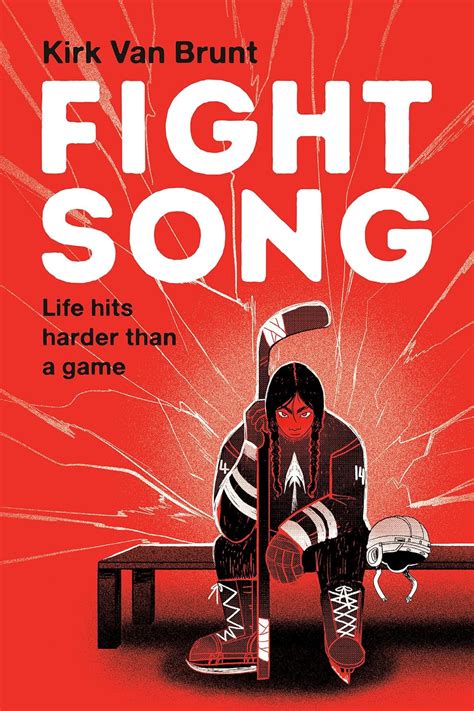
It’s not easy to miss Nokes Lasley, especially when she’s on the ice. Towering over the competition at over six feet tall, she routinely dominates on the right wing—and her no-nonsense approach and fiery temper have helped to solidify her reputation as a hockey superstar. Despite her tenuous situation at home, she dreams of hitting the Olympics one day and proving that she can compete in the big leagues.
But suddenly, Nokes’s life is turned upside-down when her father is arrested for murder and she’s forced to enter the foster care system. Nokes bounces from home to home, from one dangerous setting to the next . . . until she decides to escape across the border to Minnesota, where the promise of a family friend with professional hockey connections far outweighs the abuse she’s experiencing in her home province of Ontario.
Through careful lies, and with the help of Aiden, an attractive new friend, Nokes is able to start a new life in a new country—and, most importantly, keep playing hockey. But the past has a nasty way of catching up to her, and soon Nokes has to make a terrible choice: keep running or face her past head-on . . . and maybe even come to terms with her Indigenous heritage.
Hey, I know Heated Rivalry is all the rage so let’s turn our attention to Van Brunt’s badass, and multi-layered protagonist, Nópika, “Nokes.”
The dual timeline allows readers to admire the trials Nokes went through to get to the present-day and how it informs her passion into hockey, a place where she can vent and fight back when she couldn’t in the foster system.
This book is horrific in the reaistic sense, and those who know the worst stories of foster care can expect to find it here. Nokes came from tragic circumstances, but the past timeline is important in formaing the present one where readers can see the urgency in how she tries to get accepted into the mostly-white hockey team and assimilate to the US school system. You can also udnerstand her fear in having to testify against her last set of foster parents, and how her neglect have given her a negative connotation with her heritage.
Van Brunt has crafted a distinctive voice who can be frustrating but real due to the abuse she suffered. I enjoyed the friendships she gained through her team and with Aiden, and the family drama as she learns the truth about her father and connecting with her First Nations aunt. With few indigenous voices sharing in the industry, this was a satisfying book full of sports action and heart.
Furia
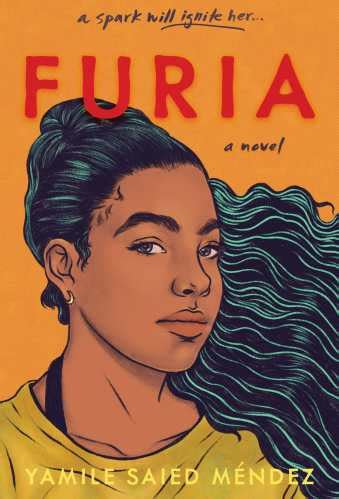
In Rosario, Argentina, Camila Hassan lives a double life.
At home, she is a careful daughter, living within her mother’s narrow expectations, in her rising-soccer-star brother’s shadow, and under the abusive rule of her short-tempered father.
On the field, she is La Furia, a powerhouse of skill and talent. When her team qualifies for the South American tournament, Camila gets the chance to see just how far those talents can take her. In her wildest dreams, she’d get an athletic scholarship to a North American university.
But the path ahead isn’t easy. Her parents don’t know about her passion. They wouldn’t allow a girl to play fútbol—and she needs their permission to go any farther. And the boy she once loved is back in town. Since he left, Diego has become an international star, playing in Italy for the renowned team Juventus. Camila doesn’t have time to be distracted by her feelings for him. Things aren’t the same as when he left: she has her own passions and ambitions now, and La Furia cannot be denied. As her life becomes more complicated, Camila is forced to face her secrets and make her way in a world with no place for the dreams and ambition of a girl like her.
Everyone knows about the pay gap in sports, the fight for female soccer players to earn as much as the males, and with the World Cup having happened this summer, I thought this was a timely book. Delving specifically into the soccer-centric and machismo culture of Columbia, Camila is passionate girl dedicated to her sport. I felt for her struggles in being a disappointment to her mother yet stifling her real passion to prop up her brother when she is the superior player is rage-inducing. Worst when it feels like no matter how much she proves herself, it will never be recognized.
Her relationship with Diego does ease that tension but it brings up realistic problems in how her work can be ignored and she’d be viewed as just his girlfriend, and the fact that he is more famous makes their relationship feel unbalanced because he got more opportunities due to family support and because he is a guy. It’s not a pleasant topic but it was good to see Mendez address this through their relationship and when she chooses herself first, readers will cheer because her love for futbol has been with her far longer and is more satisfying than the fame she could get with Diego.
Mendez also address the lack of protection for women in Latin America and the spate of missing and murdered woman, something machismo culture says they’re protecting yet they perpetuate at the same time, and I loved the female support and friendships that showcase Camilia not alone. While her parents may think they know her and what’s best for her, Camila knows herself best and finds people who will support her decisions.
I’ve already addressed these books in other posts so here are little summaries of why they’re good.
The Female of the Species by Mindy McGinnis
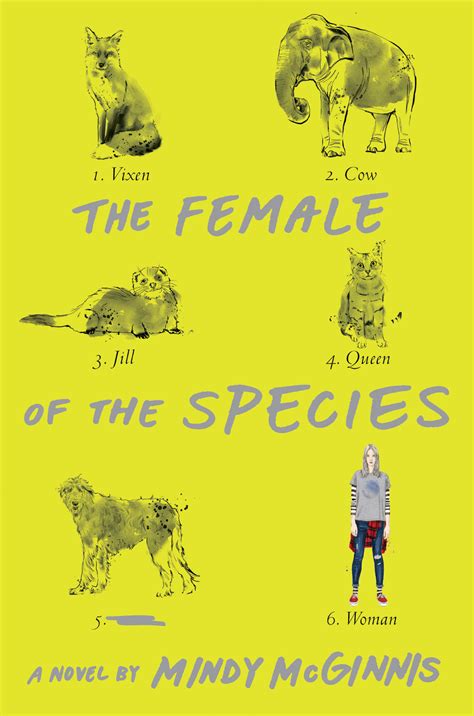
Like Promising Young Woman with a more wish fulfillment ending, this triple POV followed P.K. aka Preacher’s Kid learning about the culture of rape and harassment, Jack Fisher, the unsuspecting guy who realizes all her friends are monsters, and Alex Craft, the vengence wielding heroine with severe anger issues but revenge fantasy fufillment so I root for her getting away with everything.
Unbecoming by Seema Yasmin
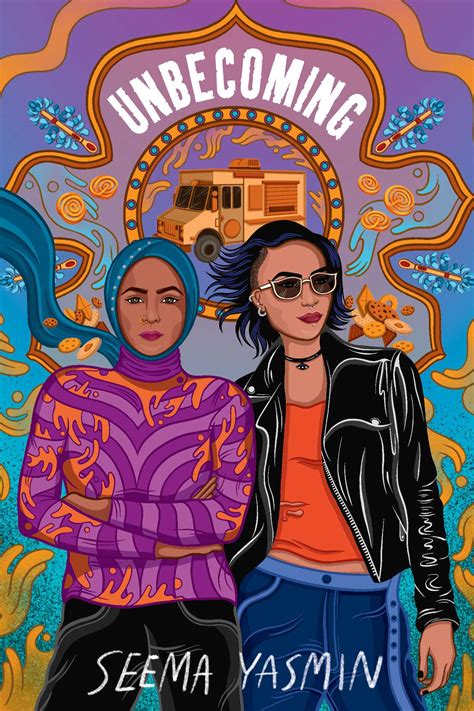
With the overturn of Roe V. Wade, two best friends seek to upend the conservative system with underground abortion and reproductive information access while society and their own Muslim community tries to shut them down.
Moxie by Jennifer Mathieu
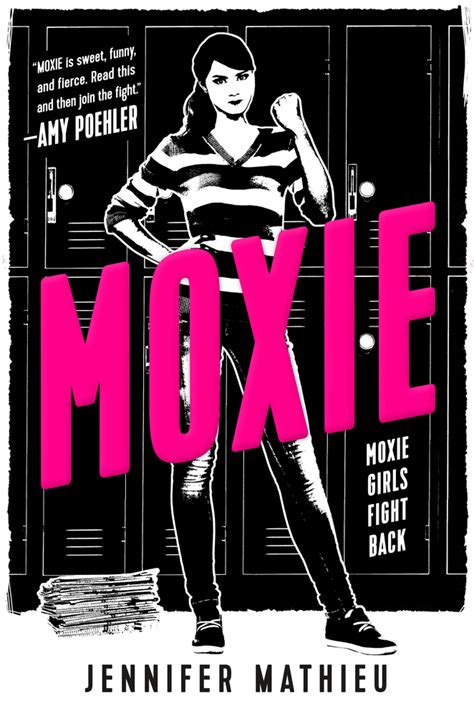
Bringing riot girl culture to the 21st century, Mathieu’s book celebrates one former shy girl’s fight against the misogynistic culture of her Texas high school, learn to embrace intersectionality in the movement while navigating double standards and her own high expectations when it comes to bf-gf communication. The Amy Poehler netflix adapatation is good too. The book is better but it’s still good.
Beauty Queens by Libba Bray
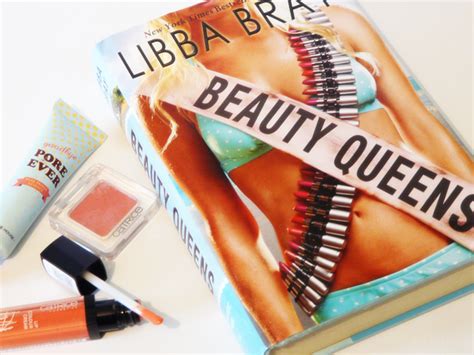
A take-off of Lord of the Flies, a bunch of stranded Beauty Queens learn to let go of the societal standards they were taught to value and come to value their real selves. A satire critiquing capitalistic commodification of women’s bodies, sexualities, and fetishization for corporate greed as well as embracing all forms of love for self, and queer people, without losing your identity in the process of getting the gun. Also lipstick blow-darts.


Leave a comment