New Crush by Cassandra Calin
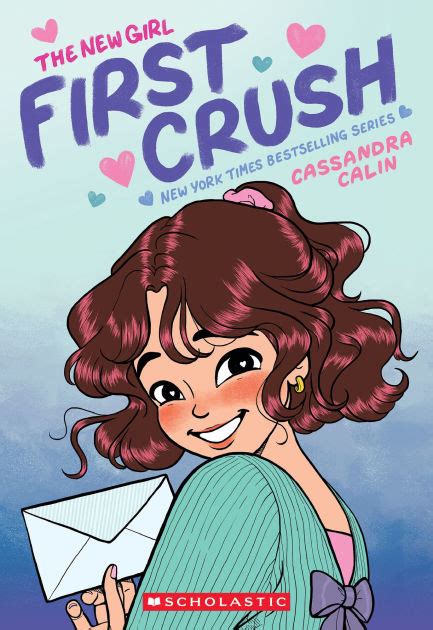
Lia is finally feeling settled into her new life. Her friends are amazing, her French is improving, and her periods… ugh, those are still terrible. But Lia’s crush, Julien, is noticing her. Lia thinks he likes her, but she can’t tell for sure. And while she’s obsessing over him, Lia’s not noticing another person’s growing crush on HER. With so many big feelings and even bigger changes, could things get any worse?
The latest graphic novel by Cassandra Calin might be better than the last as it deals with the messiness of middle school emotions. Particularly that of Lia’s short-sightedness in bigger picture situations, her selfishness when it comes to friendship problems like when she lets out her friend’s secret and after the silent treatment, apologizes to alleviate her own guilt rather than respecting her wishes for space.
All of this is because of a guy as the title implies. Ah, middle school hormones are the worse, but Calin details it in a self-aware manner. While Lia is self-pitying readers will recognize that her insecurity is ruining the relationship more than the other person. I particularly appreciated Julian pointing out the double standards of Lia’s insecurity where her distrust of the mean girl trying to steal him also implies doesn’t trust him not to be stolen.
Calin’s animesque drawings and vibrant color palette make for a pleasing readers and aspiring drawers will enjoy mimicking her style.
Brave and Bold: Female Superheroes of the DC Universe by Sam Maggs
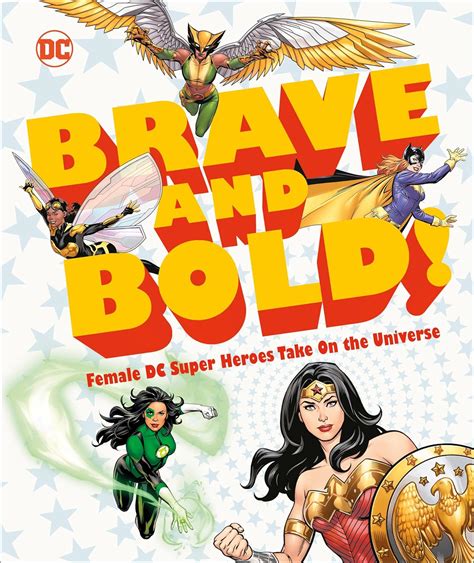
Who granted Wonder Woman her mighty superpowers? How does teenager Supergirl disguise her identity in public? And why can Vixen channel the power of any animal in the world? Discover the empowering stories of Batgirl, Bumblebee, Mera, Hawkgirl and many more. You’ll be inspired to be brave and bold, just like them.
While this is for middle-schoolers I was intrigued with how Maggs highlighted the well-known superheroes of DC with lesser-known ones like Lady Blackhawk and Miss Martian. Split into four parts, the book details basic bios of the heroines’ origin story and superhero team they are related to.
I, for one learned about the new Power Girl, Tanya Spears, Soranik Natu (Sinestro’s daughter) Darla Dudley, Avery Ho aka the Flash of China, and Jesse Chambers. I also learned Frost is a anti-hero now. Good for any parent that wants to get their kid into the comics by seeing the variety of women that could aspire to.
The Secret World of Briar Rose by Cindy Pham
100 years have passed since the last heir of Gyldan fell into eternal slumber and doomed the once-mighty kingdom into poverty and invasion. At least, that’s what the fairy tales claim.
Corin is a jaded thief who doesn’t believe in fables, even when she searches Gyldan’s underground tunnels to find her younger sister, Elly, who ran away to find the sleeping princess in hopes of a better life. Corin’s conviction is challenged when she discovers the ruins of the ancient castle, maintained by beings from the kingdom’s golden age, who protect a hidden portal into princess Amelia’s subconscious. Following Elly’s voice, Corin jumps in the portal and seals the entry behind her.
Inside the lush world of Amelia’s dreams, the sisters reunite for a new adventure as they meet Briar Rose, Amelia’s whimsical alter ego, and Malicine, a sharp-tongued demon with a gift for magic. But as they explore ice castles, sunflower mazes, and star-filled oceans, Corin suspects Briar Rose is hiding darker secrets behind her “perfect” paradise – and that there are some things their subconscious can’t bury forever.
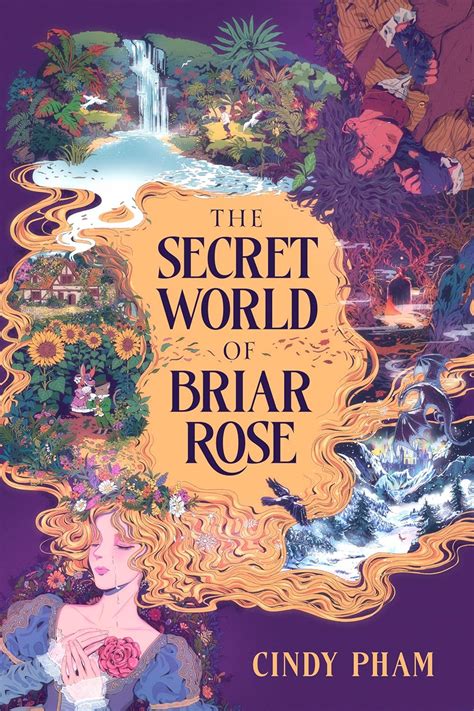
Isn’t the cover just gorgeous!? That’s why I had to read this fantasy tale even though fantasy is not my thing with its intense world-building.
What Pham has in her favor is her world-building is more atmospheric than history-laden, and she drops you right into the current conflict between Corin and Elly. Then it gets intriguing when spliced with flashbacks that read more as fairytales of Amalia and her stepmother, Lilith, and the evil fairy, Malicine.
Character-wise, I enjoy the strong foils between Malicine and Amalia with Corin and Elly. Corin and Malicine have been hardened in a cruel world that has hurt them, and punishes them further in how they lash out/cope.
Meanwhile Elly and Amalie are viewed as passive figures by others when they’re so much more. Add in their respective dynamics crosses between the four and you have a compelling psychological exploration of how we constitute heroes, princesses, and framing the story.
Corin gets the best arc in showing the unsanitized difficulty of living with depression on top of her guilt/PTSD regarding some events in the story. It’s not just crying. But exhaustion, lashing out which makes you more isolated, the feeling of hopelessness and the temptation to use of fantasy to avoid responsibility. Raw, but compelling.
Corin, Elly and Amalie aren’t the only ones who retreat to fantasy. So does the hero of the novel which Pham cleverly subverts the prince charming trope, and ties to the framing of who gets to tell the fairytale to the next generation. It’s unsurprising for a queer retelling, but imparts an important lesson on the seductiveness of trying to change fate without doing the internal self-reflection.
The New Adventures of Encanto by Amparo Ortiz
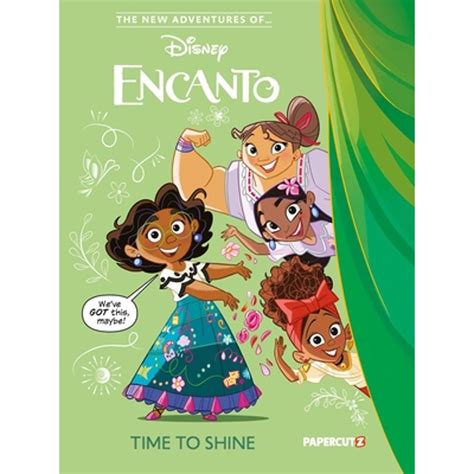
It’s time to peek behind the curtain at the fantastically gifted family Madrigal! Mirabel and her extended family live together in an enchanted house named Casita, where the magic of their miracle keeps the Encanto going every day. But behind the scenes, everything can’t be perfect all the time! From secret visions and making new friends, to talent shows and tall tales, the Madrigals face their share of challenges. Luckily, Mirabel is always there to remind her family of their greatest strength… each other!
Cute series of comics that give the spotlight to other Mirabel family members like Camilo and Antonio’s brotherly bond against a bully, and flashbacks to Bruno trying to make friends and how Pepe met Felix. Kids will enjoy.
Black Canary: Breaking Silence by Alexandra Monir
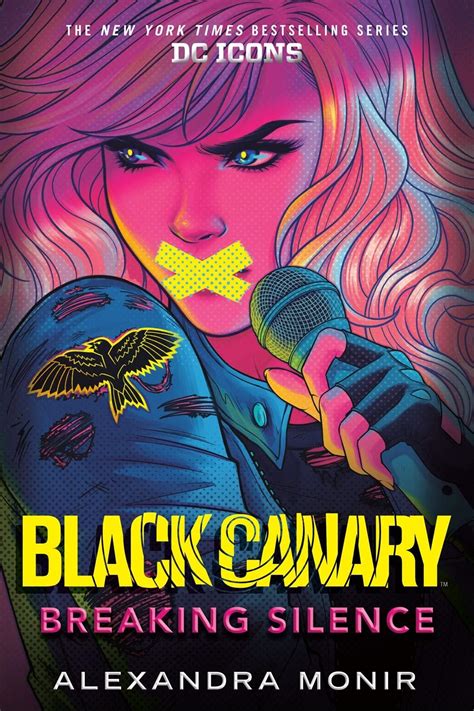
Dinah Lance was seven years old when she overheard the impossible: the sound of a girl singing. It was something she was never meant to hear—not in her lifetime, and not in Gotham City, taken over by the Court of Owls. The sinister organization rules Gotham as a patriarchal dictatorship, all the while spreading their influence like a virus across the globe.
Now seventeen, Dinah can’t forget that haunting sound, and she’s beginning to discover that her own voice is just as powerful. But singing is forbidden—a one-way stop to a certain death sentence. Can she balance her father’s desire to keep her safe, a blossoming romance with mysterious new student Oliver Queen, and her own desire to help other women and girls rise up and finally be heard? And will her voice be powerful enough to destroy the Court of Owls once and for all?
Perfect for fans of dystopian fiction, albeit high-speed one because this could have easily stretched out to a duology in my opinion. Then again, the Court of Owls only controlled one city, so maybe that’s why it was easier to take down.
In any case, the Court of Owls’ survaillence state, education censorship and literally oppressing female voices feels too literal, but readers will enjoy seeing Dinah come to hone the power inside of her self.
It was clear that Monir loved the characters and did her research incorporating the Drake’s flower shop, intercutting Sandra Wu-San and Barbara Gordan as being the original Birds of Prey with Dinah’s mom. Oliver’s stranded on assassin island origin was changed to something more plausible and tame in this world, but the romance remained sweet and evenly-paced.
I only wish Dinah’s other friends received a little more characterization besides being friends because it would have helped getting invested in them for the later events in the book.
Git Desai Is Not Here to Shut Up by Sonia Patel
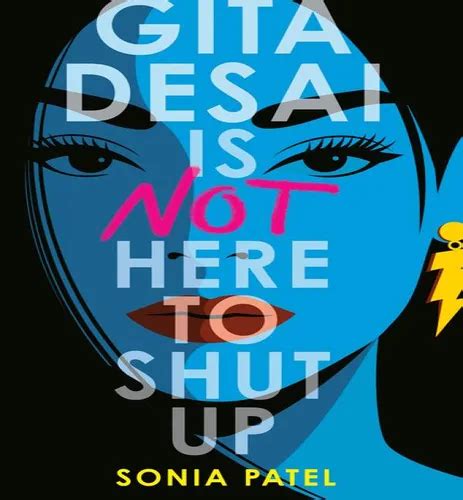
It’s eighteen-year-old Gita Desai’s first year at Stanford, and the fact that she’s here and not already married off by her traditional Gujarati parents is a miracle. She’s determined to death-grip her good-girl, model student rep all the way to med school, which means no social life or standing out in any way.
Should be easy: If there’s one thing she’s learned from her family, it’s how to chup-re—to “shut up,” fade into the background.
But when childhood memories of her aunt’s desertion and her then-uncle’s best friend resurface, Gita ends up ditching the books night after night in favor of partying and hooking up with strangers. Still, nothing can stop the little voice growing louder and louder inside her that says something is wrong. . . .
And the only way she can burst forward is to stop shutting up about the past.
This was a great book taking a look at repression and female sexuality and abuse. Firstly, Gita was interesting as she’s shown to be interested in sex. Not just romance, but sex. Almost vouyeristic interest, but that is quickly muddled with her first real experience.
There’s lots of internal confusion and shame. Interest because she’s a modern teen who actively (albeit secretly) rebelling against her parents’ plans for an arranged marriage, and she wants to chase the feel-goodness that everyone says sex is. But there’s still shame because she’s sheltered and she hasn’t seen a healthy sexual interaction. Plus she’s drunk during most of these, so most of her one-night stands make her feel worse than before.
Gita also has these questions about a lot of things, being at Stanford exposes her to a world outside of her parents, and she is self-aware enough to question not only her parents’ belief about chup-re, but whether it’s something she wants or if it’s society pressuring her. There’s no clear answers because society is full of contradictions when it comes to female sexuality.
As the bad one-night stands continue, Patal demonstrates how they uncover the abuse she had repressed, a different sort of shame and confusion. Gita feels guilty because of it, and all the men she deals with afterwards demonstrate a self-destructive pattern because it’s the only type of sexual interaction she’s known. It’s heartbreaking, and makes it a very tough book to read.
While this book is primarily about Gita, the supporting characters like her friends and her aunt showcases other sides of abuse and how female sexuality is affected by a partner’s controlling behavior, neglect and patriarchal idea of a women being blamed for men’s actions.
Kings, Queens and In-Betweens by Tanya Boteju
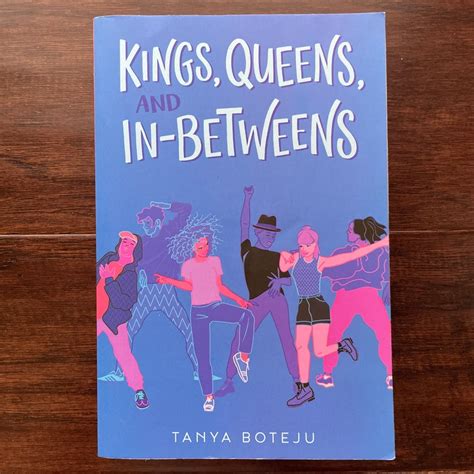
Perpetually awkward Nima Kumara-Clark is bored with her insular community of Bridgeton, in love with her straight girlfriend, and trying to move past her mother’s unexpected departure. After a bewildering encounter at a local festival, Nima finds herself suddenly immersed in the drag scene on the other side of town.
Macho drag kings, magical queens, new love interests, and surprising allies propel Nima both painfully and hilariously closer to a self she never knew she could be—one that can confidently express and accept love. But she’ll have to learn to accept lost love to get there.
A big strength of the novel is that the readers may feel like Nima who is a complete novice to the drag scene, and come to understand why it is so alluring to her
Nima herself is very rootable. She’s sweet, a bit introverted and bewildered by the new world, but she is open-minded. This also extends to a specific supporting antagonist which speaks to her good heart. Readers will enjoy seeing her work out her own place in the drag-scene and her feelings for her disappeared mom, highlighting the importance of finding yourself early even if you fear backlash from everyone else.
I suppose it helps that she lives in a not entirely homophobic small town, but primarily experience her more accepting inner circle who don’t bat an eye at her queerness much less a six foot drag queen. My one critique would have to be when her best friend/crush kisses her “just to try it” and then quickly makes her promise not to tell anyone. By then, Nima is onto her new crush, and the ex-bff is dropped. But I wish it had been explored a little more-her crush finally responding/the straight girl just trying, and meddling with Nima’s feelings, it could have been interesting if Nima had a page of reflection on how she felt about that.
Don’t Be a Drag by Sara Quinlan
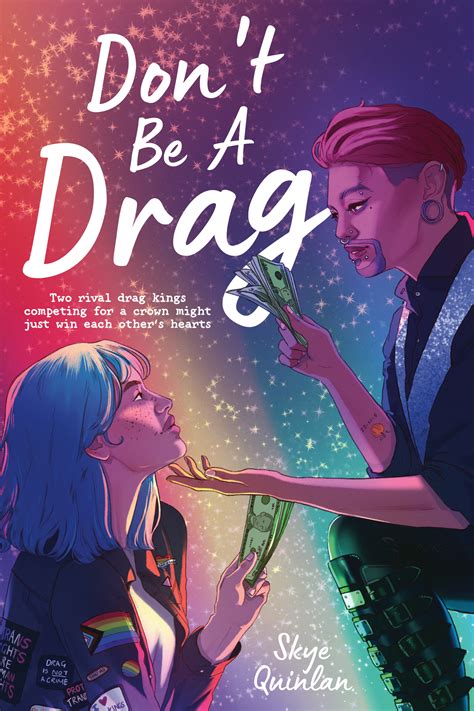
When eighteen-year-old Briar Vincent’s mental health takes a turn for the worst, her parents send her to spend the summer in New York City with her older brother, Beau, also known as the drag queen Bow Regard.
Backstage at the gay bar where Beau performs, Briar just wants to be a fly on the wall, but she can’t stand by when the cute but conceited drag king Spencer Read tries to put down another up-and-coming performer. To prove to him that even a brand-new performer could knock him off his pedestal, Briar signs up for the annual drag king competition.
There’s just one flaw in her plan: Briar has never done drag before.
With the help of her brother and a few new friends, Briar becomes Edgar Allan Foe, a drag king hellbent on taking Spencer down. But unless she can learn how to shake her anxiety and perform, she doesn’t stand a chance of winning Drag King of the Year, overcoming her depression and inner demons, or avoiding falling for her enemy, who might not be so bad after all.
When the summary mentions how rude and unlikable Spencer is, it was not understating it. I expect a little jerkishness from rivals to lovers. Spencer/Selene was another level. I doubted Quinlan could pull it off, but she did when she pulled back the layers of Selene’s assholery.
Honestly, Quinlan’s novel is a great example of the mantra that everyone has a private battle no one knows about. Briar, Beau, Selene and Archilles all have so much crap to deal, primarily externally. Briar’s is more internal with her anxiety and depression. I’d characterize this more of a coming-of-age novel. While the romance is a running thread, it deals more with Briar learning to name and cope with her mental health. So much of it, she downplays and it is thanks to her newfound drag community that she realizes she may need pills and a therapist in order to have a happier future.
Which brings me to how I loved how messy yet loving Briar and Beau’s sibling relationship is. You know they love each other, but their summer together unveils some cracks, which is realistic and makes them mor compelling. I equally enjoyed Briar’s friendship with Achilles, and her drag mentor, Jacelyn.
Which brings me to this book goes deeper into drag king culture from make-up application, attitude, and the rules of the competition.
Freak Show by James St. James
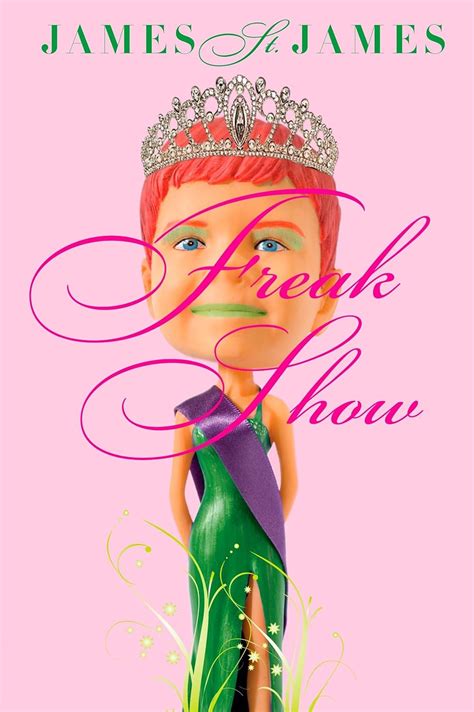
Billy—drag queen extraordinaire—is a new student at the ultrawhite, ultrarich, ultraconservative Dwight D. Eisenhower Academy. Actually, “drag queen” does not begin to describe Billy and his fabulousness. How about Glitteroid, Twinkle Queen, or Gender Obscurist? Any way you slice it, Billy is not a typical seventeen-year-old, and the Bible Belles, Aberzombies, and Football Heroes at the academy have never seen anyone quite like him before. And Billy’s attempts to both stand out and fit in are not met with the desired response. But thanks to the help and support of one good friend, Billy’s able to take a stand for outcasts and underdogs everywhere in his own outrageous, over-the-top, sad, funny brilliant, and unique way.
This might be hard to read for some as St. James employs a first-person, stream of consciousness POV full of imagine spots, flashbacks and internal monologue that can overwhelm the narrative. At best, it reflects the cover and how others view Flossie. So himself that it’s overwhelming and a bit irritating
As the novel continues you come to understand this hyper-positive voice as a potential overcompensation for the abuse and neglect he deals with on a daily basis. It’s not a fun book considering the assault, bullying and later, sexual assault.
Yet as overwhelming as James’ voice is, it’s almost inspiring in how he throws a figurative middle finger to everyone by being so proudly himself, and going extra when he runs for class president in the face of all the holier than thou church girls. And he gets the guy at the end to boot!
However, it’s a very unique, out there voice with a sadly realistic narrative that reflects the age it was written in, so more savvy readers may not enjoy the less community-oriented, LGTB-positive world it inhibits.
The Queen Bees of Tybee County by Kyle Casey Chu
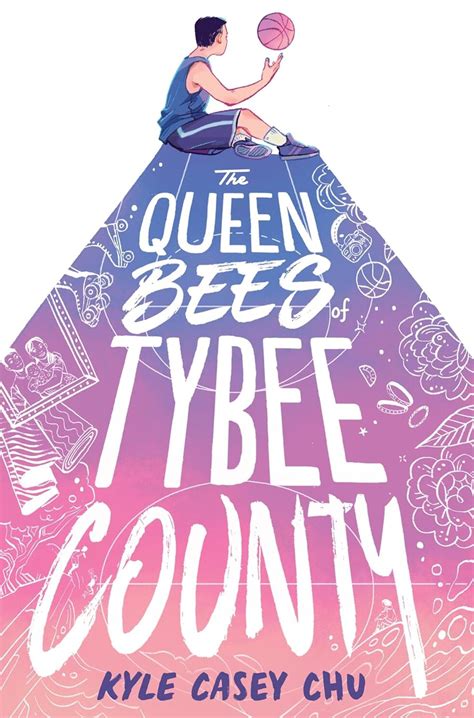
After making the buzzer-beating shot at the Georgia basketball state championships, Derrick Chan becomes the star of Bayard Middle School, and Derrick’s single dad could not be prouder. But there are parts of Derrick that no one knows about, like the toenail polish he wears under his basketball sneakers, his secret lip-sync performances in the bathroom mirror, and the feelings he’s developing for his best friend and teammate, JJ.
As the school year comes to a close, Derrick’s dad takes an out-of-town job and ships Derrick off to spend the summer with his estranged, eccentric grandmother, Claudia. Soon, Claudia introduces Derrick to the world of small-town southern beauty pageants, and Derrick suddenly feels he’s found where he belongs. But when the opportunity arises to compete in the town pageant, Derrick is forced to decide just how much of himself he’s ready to show the world.
Can he learn to love and accept the most unique parts of himself? And what will happen if others—like his father and JJ—can’t do the same?
While the beginning goes through some of the predictable narrative plots- Supposedly heteronormative All-American basketball champion has secret love for nail polish; longs for his best friend; dead mom with a hard-working dad who wants to give him the money to reach his dreams, but can’t yet. Thus boy feels more pressured to be “normal” boy -is strengthened by how the narrative intersects this with the Asian-American experience.
It leads to a moving arc between Derek and his dad who is off-page for most of the story, but his presence is strongly felt. He is the anchor to Derek’s fears and doubts about being his true self in public. Yet his Dad had been a victim of conforming to that society without achieving true happiness, and their father-son talk leads to real understanding.
Additionally, as Derek grows more into the drag scene, his awesome Aunt Claudia (fav character) inspires him to defy the urge to conform. That isn’t the only intersection as Derek’s newfound friends at Heritage share their own coming out stories, and the friendship fall-out, showing that the queer experience may not be the same, but the friends and community one finds makes you stronger and happier than pretending to be someone you’re not.
Gay Club by Simon James Green
Barney’s a shoo-in for his school’s LGBTQ+ Society President at the club’s next election. But when the vote is opened up to the entire student body, the whole school starts paying attention.
How low will the candidates go to win? Buckle up for some serious shade, scandals and sleazy shenanigans.
It isn’t long before it’s National Coming Out Day – for everyone’s secrets! But when the group faces an unexpected threat – and a big opportunity – can the club members put politics aside and stand united?
This is quite a fun book with the comedy of Reese Witherspoon’s Election and the more serious themes of identity, belonging and love. Barney is your typical adorkable hero who really believes in making Gay Club inclusive for everyone and a safe space but as the summary says making the election public for the straight majority leads to lots of harmful pranks.
It highlights that even though having a gay club is a good step, it doesn’t make the world wonderful as the resentful straight population seems to think. They still with discrimination, there’s the onus put on the queer kids to try to conform, to fit in. The school wants them for diversity points but doesn’t truly help when they are bullied.
Green showcases lots of queer identities and some of the divisions within the group, most of it stemming from personal rivalries or grudges, but also how putting labels on everyone hurts those who are seemingly straight, but are actually questioning or unsure. A different sort of exclusiveness that Barney realizes he needs to unpack is own biases.
Plus it just really, really funny.
Alone with Me by Eartha Kitt
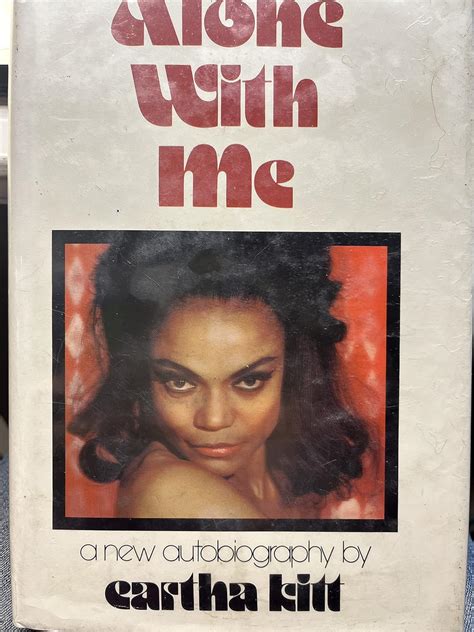
The American entertainer recounts the personal and public scenes, setbacks, and triumphs of her life and uneven international career, assigning places to her villains and champions.
When a autobiography starts with Kitt thanking the CIA for blackballing her, and calling out Lady Bird Johnson as someone who asks questions, but loses her ears to the answer, you know you’re in for a treat.
Kitt doesn’t hold back on her insecurities, and her flaws as she re-accounts the hard-scrabbled life as a “yella” girl in the poor, segregated part of the Carolinas. Mistreatment and abuse led her to feel ugly, but after moving up North, performing gave her the attention she craved. She details the ups and downs of becoming part of one of the first touring companies of Graham dancers (including her own headstrong teenage mistakes), her first loves, and how she formed Eartha Kitt- a separate, stronger persona than the Eartha Mae she was born as.
Yet Eartha Mae still lurks, and readers will enjoy Kitt’s unflinching look into her psyche as well as her no-holds barred account of what happened during that White House Dinner. She even includes the CIA files they had on her.
Like any good biography, it has pictures of her early childhood and stills from her movies. But while she extensively details her lounge act abroad and performing with Orson Welles, she simply lists her other credits that I wanted to know more of the behind-the-scenes information like Batman (60s show) and Anna Lucasta.
A Voice Like Mine by Deb Haaland
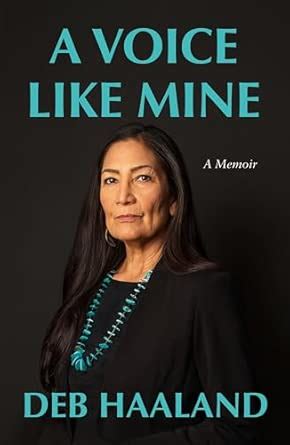
Nothing about Deb Haaland’s upbringing or family history set her up for a life of firsts: the first Native American woman elected to chair a state political party in the United States, one of the first two Native American women elected to Congress, the first Native American to serve in a presidential cabinet. A thirty-fifth-generation New Mexican and member of the Pueblo of Laguna, Haaland has lived a remarkable life shaped by poverty, alcoholism, and single parenthood. After a late but meteoric rise in politics, she stepped down from her cabinet position as secretary of the interior in January 2025 to run for governor of New Mexico in the 2026 election.
A look behind the rise of a unique voice in US politics, Haaland ties together her childhood, base-hopping adolescent years, and the family members and traditions that guided her journey to politics.
It was interesting to get some more insight about the Pueblo Laguna tribe, and you can feel the warmth Haaland feels for her community, and for New Mexico as a whole. No matter where she travels, she always returns to the state of enchantment. Readers get more insight to Haaland’s human moments like her determination to provide for her daughter as a single mother, what drew her to the democratic policies as well as her interest in running and poetry.
However, as the narrative progresses, Haaland becomes reserve in the details. She informs the reader that she became an alcoholic as a teenager, affecting her relationship with her family and long-time boyfriend/husband, but she doesn’t give the details. She skipped school, but always made it to work. It simply feels that Haaland isn’t prepared to be upfront about this part of her past even as she expounds on how transformative AA was for her.
Still, it was a quick read and emphasizes the importance of getting a seat at the table for one of the US’ maligned population, and having their voices matter in the nation’s future.


Leave a comment