-
Khadijah VanBrakle Interview
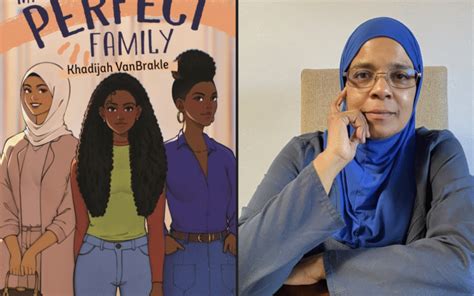
Khadijah VanBrakle is the author of Fatima Tate Takes the Cake, and My Perfect Family, and strives to depict characters that reflect the intersection of the Black Muslim American experience. She graciously took the time to answer my questions about representation, her sophomore novel, and what’s coming next. Enjoy!
- When did you begin writing and how did you balance your work as an accountant while working on your debut?
My 2012 new year’s resolution was to finish a draft of a novel. It took me nine months to complete a MG fantasy. It was terrible; no character development or meaningful world building to be seen. It was during a workshop in speculative fiction, a few years later, that I solidified the idea for the main conflict in what would later become my Contemporary YA debut, Fatima Tate Takes The Cake.
When I was first writing back then, I had to micromanage my daily schedule to fit in working, family and then on top of that, writing. Eventually, I stopped working for others and then closed my tax business since I couldn’t continue to juggle everything.
- What drew you to YA genre in particular?
Almost ten years ago, in 2017, I discovered there wasn’t a single traditionally-published title in the Contemporary young adult genre featuring a Black American Muslim protagonist. Both a local librarian and I looked but found nothing. That lack of representation drove me to write stories that feature teens that share my dual marginalization.
- Did you feel any pressure representing your community, knowing it’s such a vast community, but might be the first or only experience from readers?
I feel a ton of pressure from outside and within my community since stories like mine aren’t well represented in today’s traditional publishing landscape. But hearing from teens, both Muslim and from other faith communities, that they identify and see themselves in my characters, encourages me to keep writing. I strive to tell realistic stories that aren’t didactic but show situations and challenges that any teen and/or person can identify with.
(more…) -
Randi Smith Interview
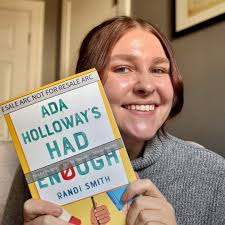
Randi Smith is a librarian from Kentucky, although you may know her from her Substack work and tiktok where she discusses her work, and other thoughts on reading. This month, her debut YA Ada Holloway’s Had Enough came out, and she was kind enough to take the time to answer my questions on writing, book bans and what’s coming next. Enjoy!
1. When did you begin writing?
I’ve written off-and-on since high school, but it was my senior year of college when I really began exploring writing for fun (and consistently). I minored in creative writing at Belmont University, and I joined clubs to meet other writers and grow my confidence. After college, I found myself writing ADA HOLLOWAY and haven’t looked back.
2. Favorite tropes?
I am a sucker for enemies-to-lovers done right, preferably when the romance spans multiple books. It can’t be beat!
3. Are you a plotter or a pantser?
Plotter all the way! If I even leave smaller details up to chance, I get stuck and overwhelmed by possibilities and making everything “work.” I need a roadmap or else I will never open my laptop, even if that roadmap changes as I go.
4. How did being a librarian coincide with your writing journey?
I had just finished the first draft of ADA HOLLOWAY when I was hired on part time at my local library. So even though the plot of this book isn’t about a specific library or community, a lot of the finer details came from the patience and guidance of my manager and coworkers. There was so little I understood about how much libraries truly offer (beyond just books, even though that’s amazing in itself), and I credit them for making the Freeport Public Library come to life on the page.
5. With your personal experience, can you expand how book banning has affected you?
Although I do not speak for my library at all, I can say that as an employee, there is a lot of hateful sentiment directed towards librarians. They are seen as “indoctrinating,” and this insult completely misunderstands the job of a librarian and the purpose of a library. We’ve experienced name calling, we’ve heard of threats received by other libraries, and it really makes it scary to come into work some mornings.
That’s why I hope ADA HOLLOWAY can spark empathetic communication—libraries are refuges that should be protected, and librarians simply direct you to books you already want. We don’t have an agenda to press. We are couriers, in a sense.
(more…) -
Saints of the Household Review
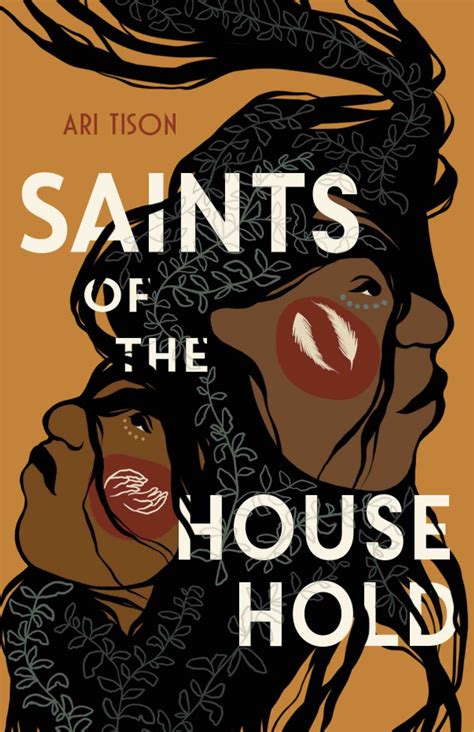
Max and Jay have always depended on one another for their survival. Growing up with a physically abusive father, the two Bribri American brothers have learned that the only way to protect themselves and their mother is to stick to a schedule and keep their heads down.
But when they hear a classmate in trouble in the woods, instinct takes over and they intervene, breaking up a fight and beating their high school’s star soccer player to a pulp. This act of violence threatens the brothers’ dreams for the future and their beliefs about who they are. As the true details of that fateful afternoon unfold over the course of the novel, Max and Jay grapple with the weight of their actions, their shifting relationship as brothers, and the realization that they may be more like their father than they thought. They’ll have to reach back to their Bribri roots to find their way forward.
(more…) -
Book of the Month: Iron Lake
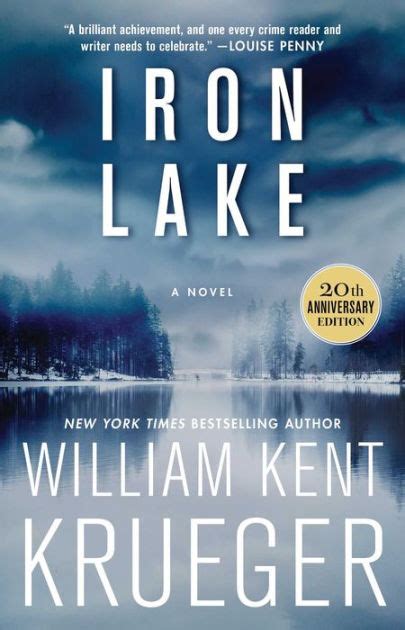
Part Irish, part Anishinaabe Indian, Cork is having difficulty dealing with the marital meltdown that has separated him from his children, getting by on heavy doses of caffeine, nicotine, and guilt. Once a cop on Chicago’s South Side, there’s not much that can shock him. But when the town’s judge is brutally murdered, and a young Eagle Scout is reported missing, Cork takes on this complicated and perplexing case of conspiracy, corruption, and a small-town secret that hits painfully close to home.
The latest mystery for book club was okay. It was not the greatest, but not bad either. My friend enjoyed a bit more than me and said she’d read it again. What it has going for it is the twisty aspect of the killer as that was a real surprise. Also Kruger’s evocative prose of the Minnesota winters. I still thought the death of Molly was an unnecessary case of fridging the girlfriend, and yeah. That’s it. It was a very mid book. Predictable at parts, and a bit dreary like the atmosphere.
-
We Need Diverse Books
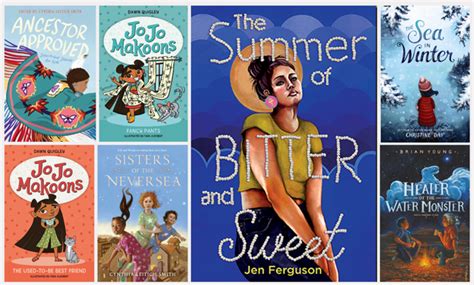
I know I missed We Need Diverse Books week or Banned Books week, but it took a while to compile this list of all the contemporary YA I’ve read over the years. Some overla since no one can be fit into one label, but I labeled some of them as many are #OwnVoices. Since it’s soon to be AAPI Heritage Month which overlaps with Jewish Heritage Month you might want to check those out first. Or not. It’s your choice to skim through. Enjoy!
First Nations
Cynthia Leitich Smith’s Hearts Unbroken (Muscogee MC)
Erika T. Wurth’s Crazy Horse’s Girlfriend (multi-tribal MC)
Dawn Quigley’s Apple in the Middle (Dakota Ojibwe MC)
Angelina Boulley’s Warrior Girl, Unbroken (Turtle Island Ojibwe MC)
Kauakanilehua Mahoe Adams’ An Expanse of Blue (Kanaka Maoli/Native Hawai’ian)
Bryon Graves’ Rez Ball (Red Lake Ojibwe)
Brian Lee Young’s Shards of Silence (Navajo/Diné MC)
Ari Tison’s Saints of the Household (Bribri Costa Rican)
Elizabeth Santiago’s The Moonlit Vine (Puerto Rican-Taino FMC)
(more…)#aaronh.aceves, #aashnaavachat, #abgailhingwei, #africanamericanfiction, #africanamericanmcs, #aishasaed, #ajsteiger, #akemidawnbowman, #alexandraleighyoung, #angelinaboulley, #angiethomas, #annagarcia, #annasortino, #aritison, #autumnallen, #beckyalbertalli, #bessiefloreszaldivar, #blackmcs, #brianleeyoung, #byrongraves, #camryngarrett, #candiceiloh, #candicejailili, #claireforrest, #crystalmaldonando, #cynthialeitichsmith, #dahliaadler, #davidyoon, #dawnquigley, #disabiledmcs, #edwidgedanticat, #elisabryant, #elizabethacevedo, #elizabethsantiago, #emerylee, #emikojean, #ericsmith, #erikatwurth, #farahnazrishi, #fredaceves, #ftlukens, #gloriachao, #guadalupegarciamccall, #haileyalcaraz, #haylelyneil, #hispanicmcs, #I.W.gregorio, #ibizoboi, #indigenousfiction, #indigenousmcs, #indigenousYA, #isaacblum, #jadeadia, #janeigaro, #jennnguyen, #jennyhan, #jesmeenknurdeo, #jesmminemendez, #jessicaverdis, #jewishrepresentation, #jewishYA, #joyagoffney, #juliemurphy, #kacencallender, #kathrynormsbee, #kauakanilehuamahoeadams, #kellyyang, #khadijahvanbrakle, #kwameivery, #lamargiles, #laurelfloresfantauzzo, #leahjohnson, #levrosen, #leylabrittan, #lilariesen, #lizaweimer, #loanle, #lylalee, #maggiehorne, #mariae.andreu, #mariekenijkamp, #mariemarquardt, #marikoturj, #maurenegoo, #mayracuevas, #megmedina, #melatilum, #melissadelacruz, #michellequach, #middleeasternrepresentation, #misasugiura, #mitaliperkins, #monicagomezhira, #muslimmcs, #muslimYA, #nadinibaijapi, #nataliesylvester, #navdeepsinghdhillon, #nicolayoon, #nicstone, #oliviaabhati, #patriciapark, #paulajfreedman, #peytonthomas, #pintipdunn, #priyankataslim, #rachellynnsolomon, #rachelreads&reviews, #randaabdelfattah, #reamshukairy, #reneewatson, #renepenagovea, #robintalley, #sabaatahir, #sabinakhan, #samiraahmed, #sandhyamenon, #sandraproudman, #sarabarnard, #sarahkuhn, #saytanidasgupta, #seemayasmin, #shanahkhubiar, #shannonc.f.rogers, #skali, #staceylee, #stephenlee, #stevensalvatore, #susanazimboyer, #susanlee, #taheranmafi, #tamicharles, #tanyaboteju, #tashiebhuiyan, #terryfarish, #tiffanyjackson, #traceybadua, #unalamarche, #vinchetchum, #waichim, #YA -
April Books
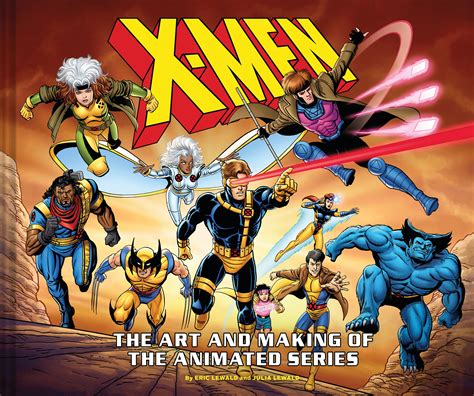
Art of X-Men the Animated Series by Eric and Julie Lewald/Art of X-Men ’97 by James Field
Showrunners Eric Lewald and Julia Lewald reveal the story behind the creation of one of the most celebrated, revolutionary animated series of all time.
The Art and Making of the Animated Series takes fans behind the scenes of the landmark cartoon that laid the groundwork for the dozens of Marvel Comics adaptations that followed. Interviews with series writers, artists, producers, and executives reveal the razor’s edge that Marvel and Fox navigated in order to bring the X-Men to television, and detail the tough decisions, compromises, and brilliant solutions that resulted in a series that has been lauded by critics and fans for nearly three decades.
Along the way, readers will encounter comics and entertainment luminaries Stan Lee, Margaret Loesch, Avi Arad, and Haim Saban, as well as exclusive production art and commentary from key TAS artists such as supervising producer/director Will Meugniot, producer/director Larry Houston, producer/director Frank Squillace, storyboard artist and model designer Rick Hoberg, model designer Frank Brunner, and character, prop, and model designer/cleanup artist Mark Lewis.
This book gives a firsthand account of what it’s like to develop, pitch, design, write, draw, direct, and produce a hit animated series, and is jam-packed with never-before-seen concept sketches, storyboards, character models, background layouts, cels, and production and promotional materials.
The Art X-Men ’97 takes fans behind the scenes of Marvel Animations’ Emmy-nominated revival to The Animated Series. Picking up where the original series left off when it aired its final episode in September 1997, this new series features returning cast members and a revamped but familiar art style.
Storyboards, character sketches, vehicle designs, new costumes, stills, animatic frames, cels, and so much more will show every step of the process that the talented team of animators, designers, and storytellers undertook to bring viewers the further adventures of Wolverine, Storm, Bishop, Beast, Jubilee, Cyclops, and the rest of Marvel’s most famous mutants.
Out of the two Art of X:TAS is longer and more in-depth which is a given since it covers the entire series and production history while ’97 only has 10 episodes so far. Therefore, if you’re looking for more art and insight to the character design/updates of the latest series, you’d like it.
But if you want to know everything about bringing the X-Men to the tiny screen and the love and interest put into the project, ‘s book is one you won’t want to put down. I was particularly amazed by how much work they had to do back then with the coloring of individual cells, on the fly fixes on a tiny budget, and how they synthesized a lot of comic book history into a five season show. You can tell they had passion for these characters and making it the best show it can be, and it made me appreciate the show more even (artistically, voice acting-wise, and story-telling-wise) though I personally can’t take the 80s hair seriously.
(more…)#alexismichelle, #allmyrage, #armaveni, #artbooks, #artofxmen97, #asianmcs, #contemporaryfiction, #contemporaryromance, #countingdownwithyou, #davidyoon, #dragqueens, #ericlewald, #estelaundrowining, #farahnazrishi, #franklyinlove, #freeradicals, #goodbyeperfect, #graphicmemoir, #grooming, #hailmariam, #hannahvsawyerr, #harpercollins, #harperteen, #hudaal-marashi, #ifyou’renottheone, #inkyardpress, #jamesfield, #juliej, #julielewald, #kennedyannscott, #lagoonabloo, #latinamc, #latinas, #laurelfloresfantauzzo, #lgtbq, #lilariesen, #littlebrownbooksforyoungreaders, #magicmisfits, #marvelcomics, #mentalhealth, #middlegrade, #muslimrepresentation, #myheartunderwater, #nadinetakvorian, #nancypaulsonbooks, #neilpatrickharris, #ninawest, #noteanoshade, #olivialux, #penguinrandomhouse, #penguinyoungreadersgroup, #putnam'ssons, #quilltreebooks, #rachelreads&reviews, #renepenagovea, #sabaatahir, #sarabernard, #tashiebhuiyan, #theartofxmentheanimatedseries, #thesurprisingpowerofagooddumpling, #thisisnotapersonalstatement, #traceybadua, #truthis, #waichim, #xmen, #YA -
Book of the Month: The Secret Book Society
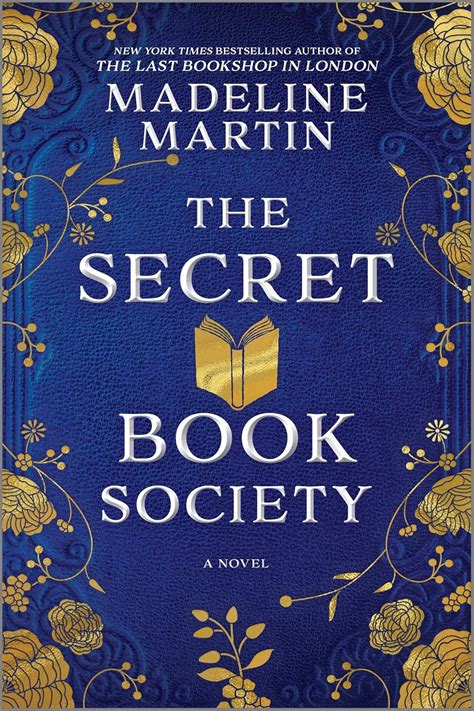
You are cordially invited to the Secret Book Society…
London, 1895: Trapped by oppressive marriages and societal expectations, three women receive a mysterious invitation to an afternoon tea at the home of the reclusive Lady Duxbury. Beneath the genteel facade of the gathering lies a secret book club—a sanctuary where they can discover freedom, sisterhood, and the courage to rewrite their stories.
Eleanor Clarke, a devoted mother suffocating under the tyranny of her husband. Rose Wharton, a transplanted American dollar princess struggling to fit the mold of an aristocratic wife. Lavinia Cavendish, an artistic young woman haunted by a dangerous family secret. All are drawn to the enigmatic Lady Duxbury, a thrice-widowed countess whose husbands’ untimely deaths have sparked whispers of murder.
As the women form deep, heartwarming friendships, they uncover secrets about their marriages, their pasts, and the risks they face. Their courage is their only weapon in the oppressive world that has kept them silent, but when secrets are deadly, one misstep could cost them everything.This book club pick by my friend was almost meta. Well, meta because it featured a book society, but that’s about it. We’re pretty lucky not to live in the Victorian era where basically anything can get you put into an asylum.
Martin did a wonderful job not only immersing readers back in time, but making us engaged with each of the characters. She pulled off two cool twists regarding who was going to get sent to the asylum and made it plausible enough for each one to be a contender.
My favorite was Rose’s arc, allowing her to mend her relationship with her husband in the face of her cruel brother-in-law. Eleanor’s arc was the strongest, becoming more confident and willing to stand up for herself and her family. We both also enjoyed Lavinia’s arc of becoming a poetess, and my friend was very happy she found a guy who understood her. Of course, our fav was the founder of The Secret Book Society herself, Lady Duxbury. Her story was so sad, my friend cried.
Martin brought some awesome moments like the death of Eleanor’s husband (this is not a spoiler tbh. You can guess based on one of the back blurbs), hatpin fighting, and chilling ones like when we see Eleanor’s son copy her husband’s aggressive commands to his nurse.
There’s just one missed moment with the books the women are perusing, they never got to The Yellow Wallpaper by Charlotte Perkins which perfectly fits with Lavinia’s arc about insanity, women’s emotions being viewed as hysteria and the isolation of your creative outlet being taken away from you. But maybe it would have been too new for the women to get their hands on it.
Even though it’s unlikely for this book to get a sequel because it’s a fine stand-alone, we both agreed if there was one, we’d read it. Love to see the further adventures of Lady Duxbury and the women she invites into her society.
-
Archie Vol 6 Review
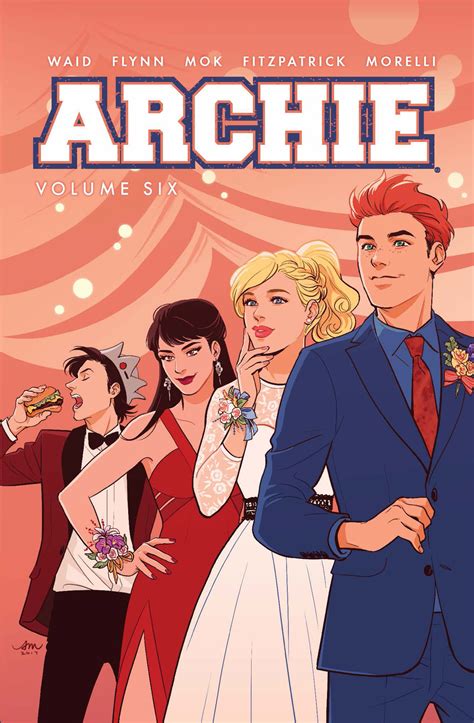
It all comes down to this! The Riverdale gang—held hostage by Cheryl Blossom’s father! Reggie—at last paying for his crimes! And when all is said and done, Riverdale is turned upside down once more! Collects issues #28-32 of the ongoing ARCHIE series!
We’ve come to the grand finale, and it’s so good. Not only do we get to see some wholesome Veronica and Betty friendship, and some of Archie’s hilarious dating mishaps (he’s a little less of a heartthrob now that several girls other than Betty/Ronnie having dating horror scars. Yes, I said scars!)
But I loved how Waid uses Archie’s infamous bad luck klutziness to take down the big bad. At once it’s a combination of realistic horror in having a gunman at school combined with Archie. Very gripping and has a satisfying wrap-up for almost all the characters, even Mr. Weatherbee. I was also pleasantly surprised that Waid introduced a very sweet meet-cute between Moose and Midge as well as imply romantic tension between (Josie and the Pussycats’) Valerie and Archie when they performed together. He did an excellent job combining classic Archie ship cameos and deepening core relationships.
My one gripe would be how quickly things wrap up in #32. I know they want to finish things quickly, but Cheryl and Jason realizing their criminal father was scamming them only after he revealed it to them seemed out of character. They’re smart. They know their dad is a criminal, shouldn’t they have realized he had ulterior motives and not cared for them? So that felt out-of-character and their turn-around just as quick.
Secondly, the summary implied that Reggie would finally redeem himself for his actions and it was a let-down. He utilized the situation (that he inadvertently caused btw) for his own gain. Which is very Reggie, but he’s never shown remorse for almost killing Betty, and certainly not for paralyzing her. Not even in a solo moment of reflection before holding up his facade of uncaring bully. He’s basically a sociopath in these volumes, and it’s hard to swallow that he got away with it scot-free.
Still, it was a fulfilling saga that emphasized the fun, and friendship that make up Archie comics, adding more depth to the characters without sacrificing the wholesomeness that makes it so beloved.
4 stars
-
Archie Vol 5
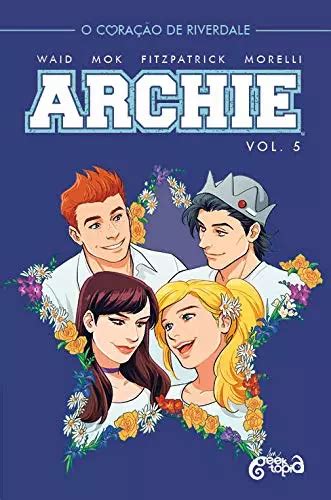
ARCHIE VOL. 5 is the next installment in the collection of the historic ARCHIE series relaunch, featuring the talents of comics superstars Mark Waid, Audrey Mok and more. This series is true to the spirit and characters that all Archie fans know and love while reinvigorating its spirit and humor through the talents of some of the most acclaimed creators in the comic book industry.
The fallout from OVER THE EDGE is here! One life has been destroyed, another family has been torn apart–and only the kids of Riverdale High can save their town from imploding!Taking a breather from the overarching plotlines of Reggie’s criminal actions and the Blossoms’ search for their missing dad, we return to Archie trying to his best to help only to screw it up hilariously and the love triangle.
It’s been interesting as Waid’s love triangle hasn’t been the overlapping, technically-Archie’s-cheating-on-both-of-them method, and have him be in totally separate relationships with no overlap. However, with Betty’s accident, and his desperation to help, those feelings are resurfacing and Veronica doesn’t want to be emotionally cheated on. He has to choose.
I enjoyed how Waid took the more emotional cheating angle mixed up with Betty’s accident, highlighting some of the lack of trust in the Varchie relationship and Betty’s doubts of Archie’s newfound feelings. It leads to a refreshing new conclusion that the mainstream comics never take.
But before we get to that conclusion, Waid’s writing is supurb in continuing the Dilton-Betty storyline, and the potential in that relationship which I’m surprisingly rooting for. He also keeps the comedy coming, particularly in the background panels which is a treat to watch whether it be Archie’s community service mishaps or Moose handling Dilton’s new high-tech scooter, and he moved me with the final panel in #23.
As for Reggie, and the Blossom twins, I said they weren’t involved, but they are. Waid continues to push the momentum of their arcs, so while this feels like a relative breather volume, you can tell Waid is building it to an explosive Spring Fling dance. Not just because Archie is trying to help decorate the gym.
Mok takes over the art in this volume. I loved her work in Josie and the Pussycats, and I loved it here, delivering expressive facials, stylish clothes, and a stylized format that makes everyone pop. Except for Raj, unfortunately I thought it was Sayid. Minor nitpick, but with how everyone else is distinct that I can recognize them on sight, it’s a shame that one slipped past.
4 stars
-
Archie Vol 4 Review
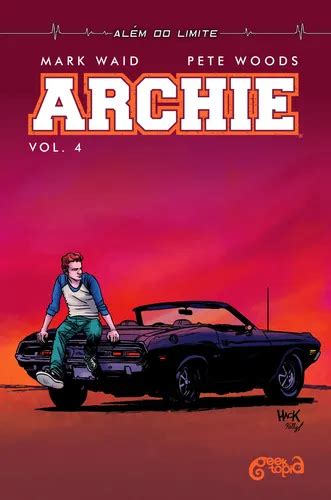
ARCHIE VOL. 4 is the fourth collection of the historic ARCHIE series relaunch, featuring the talents of comics superstars Mark Waid, Pete Woods and more. This series is true to the spirit and characters that all Archie fans know and love while reinvigorating its spirit and humor through the talents of some of the most acclaimed creators in the comic book industry.
I already knew a little bit about what was going to happen, going in, so the big cliffhanger wasn’t a big surprise to me. I mean the cover just screams IT’S SWEEPS WEEK, THIS IS GOING TO GET REAL! But before Waid went there, he laid the groundwork as usual.
We would have thought it was going to be a happy Varchie reunion, and it is, but Waid shows the realistic outcome that after a semester apart. They’re different interests feel amplified, but Jughead unexpectedly comes to the rescue which offers another fun variation of the Jughead-Veronica truce stories. Plus we get a bit of comedy with Archie stuck in a tent ball. Yes, a tent ball. It makes sense in context.
Waid also plays homage to the original stories of the 1940s like little Archie and little Betty’s first meeting where she’s just moved next door and watches Archie attempt to successfully walk on a fence without falling. Also Archie and Reggie get into a drag race which was a popular thing in the 40s-50s. A fitting way for them to handle their rivalry, and just like in the original stories, Reggie has an oil slick on the ready.
Throughout this run, I’ve written how Waid showcases Archie’s heart that gets lost in his klutzy girl-craziness. Now he gives Betty a chance to shine with Archie, her parents, Veronica and Mr. Weatherbee reminiscing about the best of her, which is wholly deserved. We also get to see Betty and Dilton hanging out. Whereas in the mainline comics, writers stick the status quo of Dilton as the perennial nerd with an unrequited crush, Waid allows Dilton and Betty to actually bond over cars. He shows that “Hey, Dilton can be a legit option for her!”
With all this reminiscing, reminding readers how Betty is the other, more competent heart that keeps Riverdale together, he will tug at readers’ heartstrings with the final panel. Even I, who knew what was coming.
Woods’ art is well-done, consistent with the style that Staples has established. I think he did extra with the drag racing, car show, and mechanics in general but as I’m not a car person, I can’t say if his work is impressive in that regard.
4 stars.
-
Subscribe
Subscribed
Have a WordPress.com account? Log in now.


Leave a Reply