-
Feminine Rage
For the beginning of spooky season, I wanted to highlight some new and old books that tackle the scariest of horror tropes. Female rage. Ie. the vampiress. The mad woman in the attic. The succubus. Woman who don’t tamp down their rage are regarded as monsterous yet they are fascinating.
These books are more in the contemporary vein than horror but they highlight different ways women are told to calm down, to shut up and ignore their gut feelings and the intternal fight to be taken seriously and for their justifiable rage to be heard.
Anger is Only a Shadow by Elizabeth Acevedo
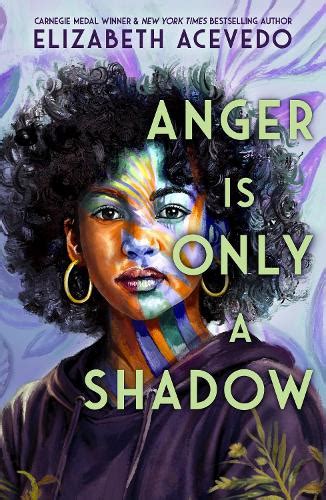
Lil is anything but small. She’s rebellious, she’s loyal; she’s figuring out what kind of good person she wants to be, or if she wants to be a good person at all. But more than anything? Lil wants to be free.
When her instinct for freedom leads to another stay in D.C. juvenile detention, Lil knows she’s lucky to just be on probation. But judgment, guilt, and an ankle monitor weigh heavily on her, and she can’t shake that pinned-down feeling.
The only person who might understand is her big brother, Aldwin. Except he’s more distant now than just the hundred miles where he’s away at college. Something’s been off with him for a couple of months, but only Lil seems to realize how important it is to get to him.
As her court hearing ticks closer, a question looms over Lil as the missed phone calls and strange texts from her brother pile up: will she follow the rules until her sentencing, or put her future freedom on the line?
This book combines Acevedo’s vivid verse, and pathos-infused prose through Lili. Lili seems to be the stereotypical “disrespectful” bad teen. She ditches school, she shoplifts, she crashes cars, and her parents dispair of her horrible decision-making skills. Yet Acevedo gives insight to her choices. She’s a teen. She makes rash decisions but a combination of her race, and her economic status boxes her into the label of bad kid. She isn’t given the benefit of the doubt but continued stays to the juvenile detention system.
And just as Lili is labeled the bad kid, her brother is the golden boy and the stigma against mental health issues in the latinx community make her parents blind to how Aldwin is spiraling.
Acevedo has real-life experience in teaching poetry and creative writing to the incarcerated and she brings humanity to Lili and her cell-mates, showcasing the hope for their future, their desires for freedom, and crushed dreams. But the poetry is a cathartic outlet as well.
There’s more introspective than anger, but the simmering anger is there, raging against societal prejudices and injustices and makes the reader think about how it is so normalized in society, and how the creative writing and arts can remind one another of our humanness beyond our mistakes.
Fight Song by Kirk Van Brunt
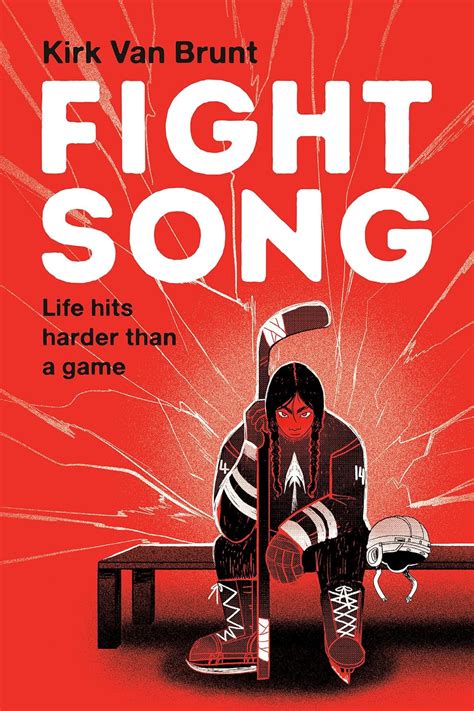
It’s not easy to miss Nokes Lasley, especially when she’s on the ice. Towering over the competition at over six feet tall, she routinely dominates on the right wing—and her no-nonsense approach and fiery temper have helped to solidify her reputation as a hockey superstar. Despite her tenuous situation at home, she dreams of hitting the Olympics one day and proving that she can compete in the big leagues.
But suddenly, Nokes’s life is turned upside-down when her father is arrested for murder and she’s forced to enter the foster care system. Nokes bounces from home to home, from one dangerous setting to the next . . . until she decides to escape across the border to Minnesota, where the promise of a family friend with professional hockey connections far outweighs the abuse she’s experiencing in her home province of Ontario.
Through careful lies, and with the help of Aiden, an attractive new friend, Nokes is able to start a new life in a new country—and, most importantly, keep playing hockey. But the past has a nasty way of catching up to her, and soon Nokes has to make a terrible choice: keep running or face her past head-on . . . and maybe even come to terms with her Indigenous heritage.
Hey, I know Heated Rivalry is all the rage so let’s turn our attention to Van Brunt’s badass, and multi-layered protagonist, Nópika, “Nokes.”
The dual timeline allows readers to admire the trials Nokes went through to get to the present-day and how it informs her passion into hockey, a place where she can vent and fight back when she couldn’t in the foster system.
This book is horrific in the reaistic sense, and those who know the worst stories of foster care can expect to find it here. Nokes came from tragic circumstances, but the past timeline is important in formaing the present one where readers can see the urgency in how she tries to get accepted into the mostly-white hockey team and assimilate to the US school system. You can also udnerstand her fear in having to testify against her last set of foster parents, and how her neglect have given her a negative connotation with her heritage.
Van Brunt has crafted a distinctive voice who can be frustrating but real due to the abuse she suffered. I enjoyed the friendships she gained through her team and with Aiden, and the family drama as she learns the truth about her father and connecting with her First Nations aunt. With few indigenous voices sharing in the industry, this was a satisfying book full of sports action and heart.
(more…)#beautyqueens, #comingofage, #contemporaryromance, #elizabethacevedo, #fightsong, #furia, #indigenousfiction, #indigenousmcs, #jennifermathieu, #kirkvanbrunt, #latinamc, #libbabray, #mindymcginnis, #moxie, #quilltreebooks, #rachelreads&reviews, #seemayasmin, #swiftwaterbooks, #thefemaleofthespecies, #unbecoming, #YA, #yamilesaiedmendez -
Ranking Ducktales (2017)
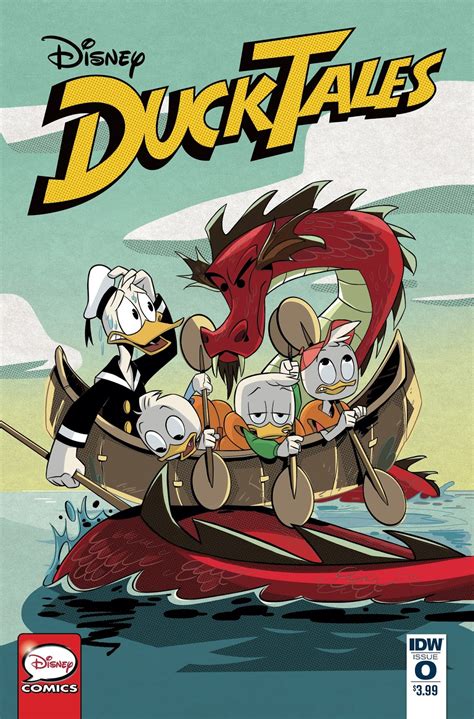
- Mysteries and Mallards: The second volume of Ducktales provides a nice combination of flashback adventures with Scrooge, Della and Donald, and present-day adventures with Scrooge and the kids exploring the garage of artifacts.
2. Faires and Scares: Stand-alone stories that highlight Launchpad’s underwater adventures, the medieval Beagle Boys and a team-up between Webby and Huey. I love when the comics delve into underrated pairings.
3. Imposters and Interns: While the Gyro Gearloose/Fenthry story was an outlier, I enjoyed the hilarious Glomgold shenanigans in Scotland and Duckberg in classic Glomgold fashion.
4. Silence and Science: A fun adventure that puts Donald on top with a fun FOWL adventure and the return (or first appearance?) of the Bombi.
5. Monsters and Mayhem: A battle between lucky duck Gladstone with the eternal jinx, Donald provides lots of moments of why he’s a great dad to his nephews and adventurer in his own right.
6. Quests and Quacks: A fine book but the stories don’t stand out compared to the ones above.
7. Mischief and Miscreants: Cute stories that give individual focus with Scrooge and each of his great-nephews.
8. Fowl Play: Contrary to what the title led me to believe these were more kids-centered adventures plus an homage to Mighty Ducks which I never watched so it was lost on me.
9. Treasure Trove: Working as a prequel for the Ducktales, these stand-alone stories are formulaic and don’t share much about the boys’ personalities or dynamics that we don’t already know.
-
Christmas in Austenland Review
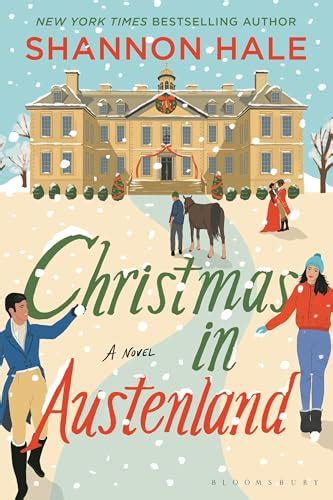
Kestrel Klein has always been too much. Too much for her mother to manage or for any path in life to actually work out. Too much for her sweet Hank–the guy she thought was her soulmate, before he broke her heart. Itching for a big change, Kestrel enters a contest and wins a vacation to Pembrook Park, an immersive Austen experience. Bonus: it’s during Christmas, the one holiday where being too much is the whole point.
Once inside Austenland, Kestrel feels . . . dare she say, happy? Is it the cozy hearth fires warming her jaded heart? Is it the fun of gentlemen attempting to woo her under the mistletoe? Is it the instant friends who bring her into the fold? She’s always worried that unless she can tamp down her too-muchness, she’ll never find that found family she craves. Just as Kestrel begins to let down her well-honed defenses, an unexpected visitor disrupts the holiday celebrations. Perhaps it’s the chance she needs to find out if her one true love really was meant to be. But now that she finally feels at home, is he still what she wants?
Much as Austen’s Persuasion shows off her maturity in writing and romance, Hale ups the ante with Kestral and Hank’s second chance romance. Kestral hasn’t had a normal life, growing up in a commune which she later realizes was a cult. As such, Kestral’s insecurity of being “too much” is closely tied with feelings of being pushed into submission or betraying herself. It’s a delicate balance and Kestral’s desire for non-confrontation doesn’t help.
I enjoyed how Hale explored the affects of cults, and overbearing family members being similar although the intentions are different. Both do lead to insecure adults struggling to place boundaries and assert individuality. This dovetails to her relationships with others as she is overeager to please but unsure of how to behave “normally,” leading to some comedies of errors. Readers will enjoy the reappearance of Andrews, Miss Charming and Mrs. Wattlesbrook. Miss Charming having a fulll circle moment as she must deal with her husband. Kestral’s experience fuels her to help Miss Charming disentangle from her verbally abusive ex and allows readers to see the different ways gaslighting and control manifests.
Hank’s relationship with his ultra-religious family reinforces this lesson. Considering Hale’s break from Mormonism, I have a feeling she was working out her own complex feelings with the family she loves and a religion that surpresses and judges people. It adds a layer of pathos to the novel that other readers will be able to relate to.
Still, there is plenty of fun and romance with Yule logs, kissing boughs and the twelve days of Secret Santa. Hale highlights the importance of finding one who embraces all the parts of you, and makes you bigger, not smaller, and learning to find happiness separate from romance. For romance is like icing, it may not be necessary but it makes everything sweeter.
The only downside is that I think some of the thoughtfulness can get lost in the repetitiveness as Hale reaches the 400 page mark. Additionally, with Krestral’s suggestion that Miss Charming seek some therapy as an impartial third party, I wonder why Kestral didn’t go to one because she clearly hasn’t processed her trauma from the Farm. Then again, she doesn’t have insurence or a car, so maybe she can’t afford it.
Still, 4 stars and I hope there’s more to come so Hale can present her twists on Sense and Sensibility, Emma, and Mansfield Park.
-
The Big Reveal Review
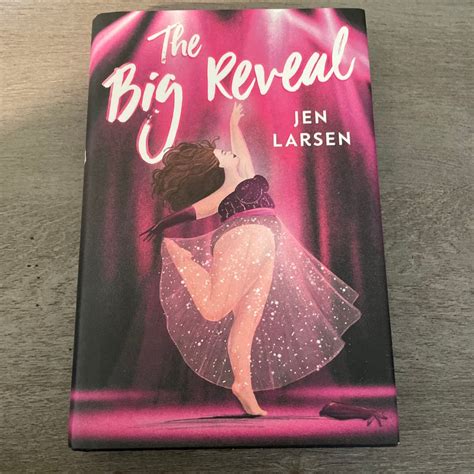
A dazzling novel about a girl who isn’t afraid to be big and sexy and dance her heart out, and a discussion-provoking exploration of the mixed messages our society gives young women about their bodies and sexuality.
Addie is a talented dancer, a true-blue friend, fat, fierce, and driven. When she’s accepted into the prestigious dance program of her dreams, she thinks nothing can bring her down―until she realizes she doesn’t have enough money to go. Refusing to give up, Addie and her friends decide to put on a top-secret, invitation-only burlesque show to raise funds. But word soon gets out, and the slut– and body-shaming begin. Has Addie been resisting the patriarchy, or playing right into its hands?
Fans of Julie Murphy’s Dumplin will enjoy this novel of body-positivity and theatrics. Sexuality and objectification are tricky topics and Larsen weaves a nuanced tale of Addie’s journey to accepting her body.
I love Addie’s drive, not only in dance but in her body. She knows her size doesn’t limit her abilities and pushes back those who try to fit her in a box. However, for all her confidence, Larsen depicts how those comments do affect her self-perception and why burlesque is so freeing to her. I enjoyed seeing the inclusivity and bits of history that showcase what is viewed as desirable by society changes. In the 20s, curves and Rubenesque is in, then the heroin thin craze and now it’s all about the big butts. Moreoever, it’s more inspiring how Addie decides to give others this appreciation for themselves by starting the fundraiser.
Larsen’s story is very clear about the intersections of objetification and censorship. How body positivity can be co-opted by the male gaze, and gives Addie something else to fight for with the dress code bans.
Addie is a clear leader, blooming into someone beyond a chorus dancer, and embracing all her talent and not just the uniformity dancing demands of her. Addie’s friends have less to do, feeling like supportive BFFs that you’d love to have with hints of their own body insecurities that aren’t delved in depth. Which is a shame because girls talk about this all the time amongst their friends.
Addie and Jack’s romance was fine. It was there. Often in YA there is a romance while the battle deals with her coming of age story, and I get the point Larsen is trying to make that there will be someone who will love you, body and all, but it felt like an unimportant side story with everything else going on.
4 stars
-
Megan Frazer Blakemore Interview

Megan Frazer Blakemore is the author of middle grade fantasy and adventure such as The Firefly Code, Princess of the Wild Sea, Secrets of Truth & Beauty, and more. She graciously took the time to answer my questions about the pressures of writing a sequel, her upcoming adult mystery and what’s coming next. Enjoy!
1. What are your literary inspirations?
I have so many! I read all the time, across all genres. As a kid, I loved Beverly Cleary and Ellen Raskin. I devoured the Nancy Drew series, both the original books and the Case Files that were popular in the 1980s. I was also a huge fan of The Baby-Sitters Club books. One way to think of my new cozy mystery series for adults is Nancy Drew joins the Baby-Sitters Club but they’re all grown up.
2. What draws you to the middle grade fantasy genre?
There is something very freeing about writing middle grade fantasy. You get to be as whimsical as you want. It’s not that there aren’t rules. There are. But as the writer, you get to establish them. This is a bit of a double-edged sword however. World building is one of the most challenging parts of writing fantasy and it’s important that the rules of the world are internally consistent.
3. Did your work as a librarian influence/aid your writing for kids?
If you are going to write for children or teens, it’s essential that you respect them. Working with kids as a librarian allows me to see the day-to-day lives of these readers. I can see how smart they are, their senses of humor, and, unfortunately, the struggles they face. In this way, working as a librarian has definitely informed my writing for kids.
4. What is the greatest trait you need when you are a working writer?
Persistence. Keep writing, keep sending things out, keep trying. There is a lot of rejection in this field. Even once you have an agent and/or a publishing deal, the nos keep coming. An editor doesn’t want your next book. A review is so harsh it breaks your heart. The book doesn’t do as well as you hope. Getting up each day and getting back to it is what sustains a career.
5. What drew you to the Sleeping Beauty tale for Princess of the Wild Sea?
The fairy tale is named after her, but she has no agency. She’s born and she’s cursed. She falls asleep. I wanted to give this girl a story where she could make her own choices and decide her own fate.
(more…) -
Contemporay Romances
Heated Rivalry by Rachel Reid

Pro hockey star Shane Hollander isn’t just crazy talented, he’s got a spotless reputation. Hockey is his life. Now that he’s captain of the Montreal Voyageurs, he won’t let anything jeopardize that, especially the sexy Russian whose hard body keeps him awake at night.
Boston Bears captain Ilya Rozanov is everything Shane’s not. The self-proclaimed king of the ice, he’s as cocky as he is talented. No one can beat him—except Shane. They’ve made a career on their legendary rivalry, but when the skates come off, the heat between them is undeniable. When Ilya realizes he wants more than a few secret hookups, he knows he must walk away. The risk is too great.
As their attraction intensifies, they struggle to keep their relationship out of the public eye. If the truth comes out, it could ruin them both. But when their need for each other rivals their ambition on the ice, secrecy is no longer an option…
I’ve finally given in and read the book that has everyone buzzing. No I haven’t watched the show yet but I was spoiled on a few salient points like the timeline and the cabin weekend. Which yes, it was my favorite part.
I enjoyed Reid’s slow burn between Shane and Ilya and the reasonable evolution between professional rivalry and respect meshed with physical attraction, getting hook-ups out of their system to developing real feelings. Both also have a nice arc growth. admittedly Illya’s is more interesting as he has to contend with Russia’s anti-LGTB laws, his loyalty to his country and embracing more freedom on the Boston Bears, and stepping out to using his platform to help others. Shane’s arc is more predictable and less angst-filled since he has a supportive family behind him when he realizes his sexuality, but I also appreciate how Reid emphasizes the stakes in the sports world where queerness isn’t accepted and could affect Shane’s career trajectory.
The one point that took me out of the story is how much sex they had. I mean, I understand why because it started as a purely hook-up situation, but they were like rabbits. I didn’t know they could have so much endurence. Plus the contrasts allows for the non-sexual moments when they’re talking in the cabin, and rmeeting Shane’s parents to stand out even more, but every chapter? It takes away the spiciness of the act when it’s done in every chapter.
(more…) -
The Taylors Double Review
Cruel Summer by Elizabeth Eulberg
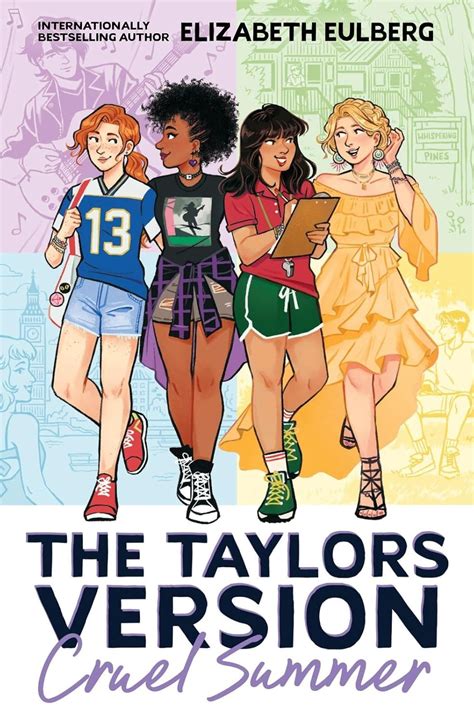
The Taylors — Teffy, Tay, TS, and Taylor — have survived their first year of high school and can’t wait for summer to start. But the drama doesn’t go away just because they want it to.
It turns out that Teffy’s been keeping a massive secret from her parents. Tay’s supposed to spend the summer performing with her new band, but it’s not the rockstar life she expected. Taylor’s past comes back to haunt her while working at summer camp. And TS gets to spend the summer in London with Gemma’s very fancy family . . . who doesn’t approve of her.
The Taylors need each other more than ever, but they’re spending the summer apart. Is it going to be so long, London and so long, Taylors?
Some love stories end. Some grow stronger. Eulberg shows what happens after the Taylors’ happily ever after at prom with summer loving. I really enjoyed how she tackles relationship difficulties that crop up after the honeymoon phase. In the previous book, I found Teffy and Liam to be cliche star-crossed lovers, but here she explores the problem of miscommunication, jealousy and how Teffy resents that she is taking more risks with her parent’s anger than Liam is. Very true as literature sometimes make it seem like the women has to make all the sacrifices (like running away from parents) while the man keeps his head down. Then flirting with Hannah ontop of that and making excuses when she insults Teffy, oh no, boy. So I enjoy how Eulberg depicts a couple working through those problems. Same with TayTay as her sweet romance with Reece grows sour. His moody artist vibe that was romantic in the first book reveals its true toxicity and TayTay throws off her love glasses to put herself first and I cheered.
Taylor’s ex, Hunter, makes a reappearance in the camp she’s working at, highlighting how a predator never changes and how he’ll use the boys will be boys/charm to get away with his bad deeds. A timely story but I just felt less invested in it for some reason. Maybe because I was hoping for Taylor to get something happy and not more harrassment and gaslighting. TS’ story about feeling neglected and jealous of her girlfriend was also less interesting to me because it felt like a retrend of Teffy and Liam’s problems. There was some interest in how classism ties with TS’ insecurities and Gemma’s family’s snobbery, but eh. At least the London descriptions were interesting.
I applaud Eulberg for continuing the Taylors’ romantic adventures and showing the difficulties of romance in a realistic light. Now if there’s a third one, can someone please give TayTay and Taylor a good bf!
(more…) -
Alba Glez Interview
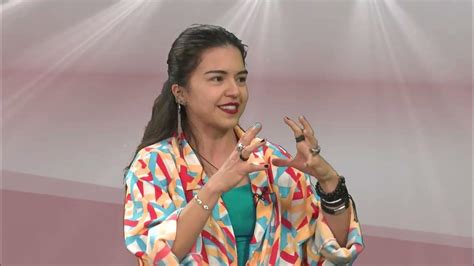
Alba Glez is an illustrator for Marvel, DC, Drakoo and her own works, Laura from the Sacred Land and All the Songs I Want to Forget. She graciously took the time to discuss her entry into the industry, Webtoons, and her upcoming comic, Princesses of DC. Enjoy!
1. What drew you to art/illustration? What are your artistic influences?
Art has been all around me since the moment I was born. My father is a musician and a cartoonist, and he made sure to give my sister and myself a proper drawing education through an amazing collection of books.
2. How would you define your style?
I’m not sure I can define it. Normally other people do. My style is a mixture of 90’s-00’s animation movies, anime, BD’s, instagram artists, etc. I’ve always tried to draw as something as my younger self would watch.
3. How do you feel your art has evolved since you started?
I think my art has growth with me. It always reflects who I am inside. It’s very different from what it was in the beginning, but at some point, it keeps its essence.
4. How did you get started in the industry?
I had a good friend who extorted me to be serious about my comic projects and he explained the basics of the industry. Thanks to him, I developed my very first 16-pages-black-n-white-self-published comic, “Bestial”.I was lucky enough to have a place on a ComicCon in my city back in 2018, where C.B Cebulsky (Marvel’s former editor in chief) and Rickey Purdin (talent relation at Marvel) found me. They liked my comic and left their card. After that I made some page samples for Marvel editors until I got my first project as part of “MARVEL’s voices: communities” in 2021.
(more…)
But in the meantime, I was devoted to my own projects. -
Fall Nonfiction
My Lucky Life In and Out of Show Business by Dick Van Dyke
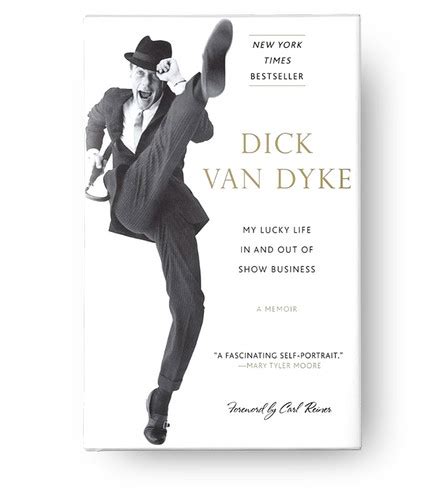
Much like Betty White, and Dolly Parton, Dick van Dyke is an American icon representing the best of us, and his autobiography delves past his wholesome image to honestly discuss his struggles with balancing his career and marriage, his alcoholism and some of his issues with his father. He’s very Midwestern in his writing, matter of fact without self-pity or excuses for mistakes. But he sees it as a way to grow. But it is only about seeing the man behind the tap shoes, he gives behind the scenes look to his work on the Dick Van Dyke show, Bye Bye Birdie, his co-stars and you can feel his graciousness in having such a long career to be proud of.
Beyond Uhura: Star Trek and Other Memories by Nichelle Nichols
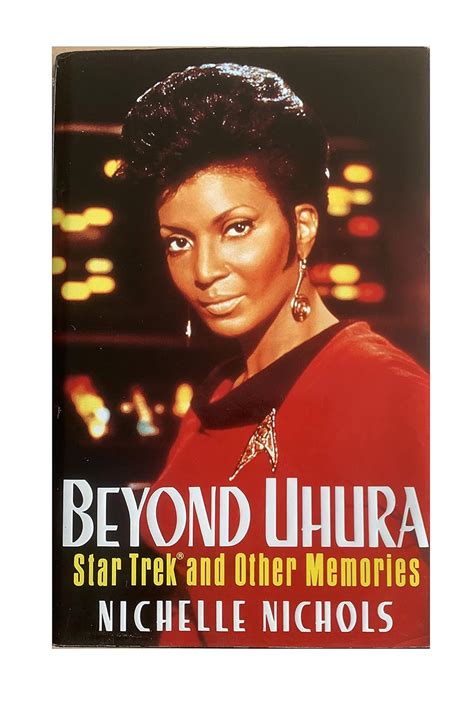
Many know Nichelle for her role on Star Trek, but this biography shows us how she is so much more than her character. I got to learn about her family values, her really cool parents (although she admits it took awhile before she could connect and recognize her mother’s strength and not just her flaws), her work ethic, and her relationship with Gene Rodenberry.
I never watched Star Trek but I was struck by the vision behind it, the ethos that built the show, and the intense care each actor had for their characters and what they represented. Plus we also get to hear Nichelle’s side of the story about the infamous Bill Shatner vs everyone feud, and cast pranks and hijinks on the movie set/comic-cons.
Also I have to shout-out Nichelle’s excellence in other areas as song and dance, her eloquence and her openness in sharing her failed marriage, giving birth young and her run-in with the mafia. She’s such a cool woman.
(more…)#alexhirsch, #america’sprimaballerina, #aninconvenientwidow, #artbooks, #autobiography, #beyonduhura, #biography, #celebrities, #civilwar, #dickvandyke, #disneyhyperion, #dragqueens, #enterwhining, #frandrescher, #georgetakei, #graphicnovel, #gravityfalls, #harpercollins, #harperpaperbacks, #houseofhiddenmeanings, #itrhymeswithtakei, #lgtbq, #loisromano, #macmillan, #mariatallchief, #marytoddlincoln, #memoir, #nichellenichols, #nonfiction, #rachelreads&reviews, #rupaul, #startrek, #theartofgravityfalls -
1,000th Post
One thousand posts after four years of hosting this blog. What a ride. It’s been a joy to get to interview some of my favorite authors, share my thoughts on new books, challenge myself to try new genres and start a book club with my friend.
I also want to take the time to thank my followers and subscribers for continuing to post kudos, likes and sometimes coment. Thank you for following and for any new readers, thanks for joining. I hope you’ve found some books you like.
Anyway, I post a lot of books and a lot of authors, I wanted to showcase some authors that I’ve read a lot. These I’ve chosen based on the number of books, that they are a singular author and not a nome de plume with a stable of ghost writers, and I’ve read their books more than once.
(more…)#1000thpost, #alliefinklesrulesforgirls, #annm.martin, #austenland, #bookofathousanddays, #booksofbayern, #canterwoodcrest, #cathyhapka, #dorkdiaries, #everafterhigh, #fairychronicles, #georgeo'connor, #girlmeetsboy, #goddessgirls, #grimmtasticgirls, #jencalonita, #jessburkhart, #jhsweet, #joanholub, #kindofabigdeal, #lisiharrison, #megcabot, #mythologybooks, #princessacademy, #princessdiaries, #rachelreads&reviews, #rachelreneerussell, #rapunzelsrevenge, #realfriends, #saddlehillacademy, #shannonhale, #starpower, #suzannewilliams, #theasgardians, #themisadventuresofmaxcrumbly, #theolympians, #thundergirls
-
Subscribe
Subscribed
Have a WordPress.com account? Log in now.


Leave a Reply