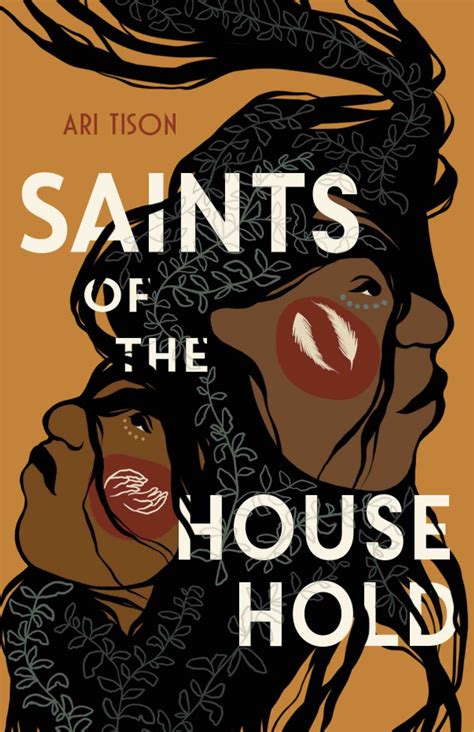
Max and Jay have always depended on one another for their survival. Growing up with a physically abusive father, the two Bribri American brothers have learned that the only way to protect themselves and their mother is to stick to a schedule and keep their heads down.
But when they hear a classmate in trouble in the woods, instinct takes over and they intervene, breaking up a fight and beating their high school’s star soccer player to a pulp. This act of violence threatens the brothers’ dreams for the future and their beliefs about who they are. As the true details of that fateful afternoon unfold over the course of the novel, Max and Jay grapple with the weight of their actions, their shifting relationship as brothers, and the realization that they may be more like their father than they thought. They’ll have to reach back to their Bribri roots to find their way forward.
Told in alternating POVs, Tison brings readers to the aftermath of that summary-the day Max and Jay return to school, and their first sessions in counselling. As the older twin, Jay’s POV takes the lead in describing how their peers have shunned them. Their cousin Nicole’s reaction to their defense of her. How Luca seems to be getting away with it. As well as their father who’s abuse is somewhat escalating and becoming more unbearable.
Jay feels responsible to protect their mother, and try to get through their required sessions, while Max is in his own world. Tison’s prose communicates that as Jay’s chapters are told in short vignettes while Max is in prose. Max has the opposite reaction to Jay who is trying to hold it together, angry and hurt and wanting some justice that Luca started the fight, Max is ignoring it. He’s focused on his art, and his new flirtation with Melody, determined to move past this.
He sees Jay’s actions as holding them back, too scared to leave home in fear of what their father might do and not seizing his own life. Jay thinks Max is being selfish and abandoning the family. As twins who’ve always depended on one another when no one else would, this feels like a tear on their soul, and their increasing inability to communicate worsens their relationship.
I enjoyed Tison’s story of the cycle of abuse, and learning when to forgive and when to push someone to take accountability. Abuse is a tricky subject, exacerbating by Jay and Max’s ethnicity as indigenous Costa Ricans aka Bribi, where the traumas intersected with their race and identity is ignored and dismissed, or stereotyped. They are flawed, both are quick to violent anger, but they haven’t been supported or received resources in how to deal with their anger or their conflicted feelings about their father whom Jay still has fond memories of, but hates who he is now. Just as Max wonders if he’ll go the same path with his own anger and hurt his girlfriend.
Well, they do have support from their grandfather, and their mother, and in connecting more with their Bribi heritage, they find some connection and some relief. While both are isolated by the assault that fractured their relationship, Max and Jay having space from each other, allows them to more fully explore what they want and heal their specific traumas and as their grandfather says, they can learn to come together in the future.
I’m only touching a bit on the major themes of the story as Tison weaves indigenous creation stories, the cycles of abuse and privilege, and learning to forgive oneself a la Good Will Hunting, but it’s a evocative and thoughtful work. Personally, I prefer Jay’s POV more as Max’s verse POV just reminds me of someone who isn’t fully present in the moment, drifting in an unconscious stream of thought. It fits his more artistic temperament, but I found it hard to connect to his character and his struggles as I did with Jay.
3 stars


Leave a comment