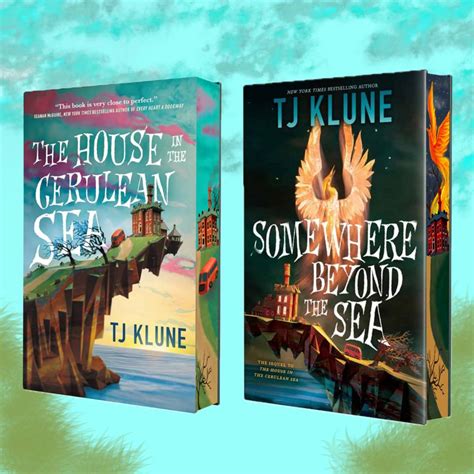
Linus Baker leads a quiet, solitary life. At forty, he lives in a tiny house with a devious cat and his old records. As a Case Worker at the Department in Charge Of Magical Youth, he spends his days overseeing the well-being of children in government-sanctioned orphanages.
When Linus is unexpectedly summoned by Extremely Upper Management he’s given a curious and highly classified assignment: travel to Marsyas Island Orphanage, where six dangerous children reside: a gnome, a sprite, a wyvern, an unidentifiable green blob, a were-Pomeranian, and the Antichrist. Linus must set aside his fears and determine whether or not they’re likely to bring about the end of days.
But the children aren’t the only secret the island keeps. Their caretaker is the charming and enigmatic Arthur Parnassus, who will do anything to keep his wards safe. As Arthur and Linus grow closer, long-held secrets are exposed, and Linus must make a choice: destroy a home or watch the world burn.
An enchanting story, masterfully told, The House in the Cerulean Sea is about the profound experience of discovering an unlikely family in an unexpected place―and realizing that family is yours.
This was such a delightfully wholesome story about found family, and a man who is simply moving through the motions come to find color and happiness. Although it took several chapters to get to the main events, it was necessary as Klune delightfully demonstrates Linus’ mundane existence of normality among passive aggressive colleagues. Linus has settled for a boring life, following all the rules and is a compulsive worrier so when he’s sent to the island with level 4 magical creatures including the Antichrist, he’s totally over his head.
Despite Linus’ averageness, he does have one special gift-his compassion for children. After moving past the fact that he’s on the island with the Antichrist nicknamed Lucy, he comes to care for him. Lucy is only six, he loves music, has a huge imagination, how could he fear him? His, and other preconceived notions of what Lucy and the other children could do dismisses their actual personalities, wants, and dreams.
The whole story is learning to unlearn the biases of society. In being so focused on the danger of these magical creatures, they forget the individual. In forcing them to assimilate, you are saying they are less than just as if you were to beat them with their fists. Children shouldn’t be constrained and made to feel like monsters, they are innocent.
Over the course of the story, Linus obviously loses his objectivity, and his desire to become closer to Arthur (although he was in denial of why he wanted to know more about the sweet, whimsical, capital D-Dad. Actually he was kinda confused which was endearing in its own right) and help the kids to accept themselves and become a dad himself. He also comes to accept happiness for himself because everyone deserves it.
Moreover, he comes to realize the Department for Magical Youth and Adults are crappy. Sure, they say they want to protect them, but the enforced segregation and assimilation is just as harmful as extermination because it sends the message that they are “less than.” He also realizes his own complicity in just doing his job without considering what happens when these creatures become adults without the skills or support system to thrive on their own.
Each of the children are sweet and distinct, same with the villagers whose archetypes are predictable (only Linus, Sal, and Lucy get real depth in this novel), but bounce off well with the children and provide their narrative purpose as antagonists and allies.
It was all just so wholesome! Like a warm blanket, and the found family with unique skills and supportive mentors filled with wordplay, extreme adventures and a mysterious government of logic and bureaucracy reminded me of The Mysterious Benedict Society or the Incorrigible Children of Ashton Place. Albeit with a few more dick jokes. Readers may be disappointed by the lack of fast-paced plot, but I thought it was fine without it sine it allowed the story to breathe and make readers invested in the Parnassuses.
Arthur Parnassus lives a good life, built on the ashes of a bad one. He’s the headmaster of a strange orphanage on a distant and peculiar island, and he hopes to soon be the adoptive father to the six magical and so-called dangerous children who live there.
Arthur works hard and loves with his whole heart so none of the children ever feel the neglect and pain that he once felt as an orphan on that very same island so long ago. And he is not alone: joining him is the love of his life, Linus Baker, a former caseworker in the Department in Charge of Magical Youth; Zoe Chapelwhite, the island’s sprite; and her girlfriend, Mayor Helen Webb. Together, they will do anything to protect the children.
But when Arthur is summoned to make a public statement about his dark past, he finds himself at the helm of a fight for the future that his family, and all magical people, deserve.
And when a new magical child hopes to join them on their island home―one who finds power in calling himself monster, a name Arthur worked so hard to protect his children from―Arthur knows they’re at a breaking point: their family will either grow stronger than ever or fall apart.
The sequel felt a bit darker, more hopeless leading to a more triumphant victory. But it took a long way to get there.
In the first novel, Arthur is endlessly idealistic and optimistic with a few bursts of protectiveness when warranted. Within his mind though, there are “spiderwebs of darkness.” After his abusive childhood, he would do anything to keep his children from experiencing that hopelessness and isolation. His whole life was an attempt to rectify those horrid memories by replacing the orphanage he lived with his own house and new family. But the DICOMY’s interrogation and new caseworker are determined to see the worst in everything so they can go forward with their agenda.
Most of the story is taken up by the kids’ hijinks in trying to outwit Mrs. Mabelhew by killing her with kindness or trying to get her to admit her hypocrisy. It’s cute but also frustrating because you know with bigots like her, it’s never going to happen. It feels hopeless and is compounded by Arthur’s own trauma in trying to take on everything by himself, and sometimes wishing he could let loose and be the monster they see him. Which would only play into their hands, total Catch-22. It’s hard to read, but leads to some sweet quiet moments between Arthur, and Linus, Arthur with each of his kids, Zoe, and the new adoptee, David the yeti.
Mrs. Mabelhew gave me Dolares Umbridge vibes and since Klune writes in his author’s notes that he wants his legacy to be the Anti-JKR, so that was probably intentionally. Same with the new minister, Rodwer who is probably a stand-in for JKR herself.
Although this novel was darker with the government actively targeting the Parnassus’ with a thin veil of nicety, the wrap-up provides a wish fulfillment of good winning over evil with the whole island rallying behind them and these days, it’s exactly what one hopes for.
4 stars, both.
 Rachel Reads & Reviews
Leave a comment