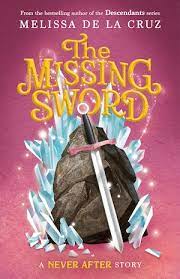
With spoilers because the ending really changes the game. So you’ve been warned!
The latest in the adventures of Filomena Jefferson-Cho and Never After has her setting off to Camelot by herself. But not for long, after a trial that tests her doubts and insecurities, the League of Seven quickly reunite and find Camelot has been poisoned by Olga the Ogre Queen, making the tests more dangerous and things aren’t as they seem. Witches weren’t born evil, wizards look like pre-teens and Camelot and Oz are the same place?!
I stated before but I really appreciate how de la Cruz puts entirely new twists to these fractured fairytales that have never been done before. Like said Oz and Camelot are the same place, combining the two tales so Filomena’s journey to save her mother reflects her desire to go back home to California (like Dorothy) and struggle with her future responsibilities as queen (like Arthur).
The question of the two places comes back in the ending (spoilers ahead!) when Filomena must make the choice between staying in North Pasadena permenantly or staying in Westaphilia as queen permenantly, due to portal shenanigans, breaking the connection forever. It’s a truly difficult choice as Filomena has to assess what will happen after she kicks out Olga. Fairytales rarely deal with the aftermath of the quests and Filomena has real doubts about her abilities as ruler when she was never raised to be one. What’s more, she wants to grow up and go to college and all the more normal girl things before she fell into her favorite book series.
De la Cruz really pulls at the heartstrings with this choice and changes the game by having Filomena not only stay but fast-forward to her early 20s when her Never After past comes literally knocking on her door. It really makes me eager to see how it will all end.
The book also provides nice lessons about the danger of taking things at face-value like how the witches of Oz/Camelot were not originally evil but after a smear campaign, they decided to lean into it, bitter that no one believed in them. It also discusses the ethics of battle as Filomena understands that sometimes war seem like an inevitable option but does her best to limit the potential bloodshed.
The only nitpick I have is the Camelot’s citizens gratitious spanish. I’m all for diversity but when all the other fairytales all spoke english and seemed monolithic in its language, the random spanish really threw me especially as it was implied that Never After didn’t have language/culture differences like we have in the mortal world.
Anyway, De la Cruz does a wonderful job in amping the stakes and will have readers on the edge of their seat for the finale.
 Rachel Reads & Reviews
Leave a comment