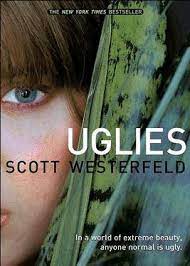
In a world where everyone is ugly until they turn sixteen, everyone is equal. After all, people in the past used to be so prejudiced. Fighting wars over race, giving unfair privileges to those who happen to be prettier or taller or more attractive even if they’re unqualified. From there, humanity realized its flaws and created a enviromentally friendly, clean, monitered paradise.
Or so Tally thought until her friend ran away before their scheduled Pretty operations. Tally cannot bear to betray her friend but if she doesn’t do what the Special Operatives say, she’ll never be pretty.
And a world where she remains ugly is one Tally cannot live with.
Westerfeld creates a riveting sci-fi world with cool items like hoverbords and gravity bracelets make life easier for the uglies who must fill their subpar days with tricks (slang for adreneline pumping dares) and pranks on other uglies to feel superior until they turn pretty and can actually be superior.
The divide between the two is pretty obvious with pretties getting to party all day like an eternal Gatsby paradise and they have the shallow, oblivious personalities to boot. There are a few pretties who take on serious jobs or mature as they grow and get their second and third surgeries, continuing the cycle. The society has a cohesive eternal logic and you can see why Tally gets pulled into its ideology.
As Tally and her friend, Shay explore the old ruins, Westerfeld pulls back the gloss of the world to reveal that “the uglies” are just normal-looking people but have been conditioned and brainwashed to see that anything unique or plain or just not the uniformed standard of the pretties is hideous. As stated above, it is believed that being pretty eliminates the unfair first impressions and biases that the old society used to have.
But as Tally’s adventure into the Smoke (deserted safe haven for those who didnn’t believe in the pretty ideology or just plain wanted to rebel) leads her to see that maybe the society’s prettiness is hiding a more sinister method controlling the masses.
A big message is the importance of standing out, and the drive not to conform which Tally is initially resistant to until she experiences the satisfaction of hard work and community that the airy pretty world doesn’t provide. Rather it becomes hollow in comparison.
As for the characters, they were fine. A bit generic but I got a feel for their relationships and their motivations, I just wasn’t invested as I was for other series. Perhaps that will change or maybe I’m dystopianed out, we’ll see with the sequel.
3 stars.
 Rachel Reads & Reviews
Leave a comment