The Good Neighbor: The Life and Work of Fred Rogers by Maxwell King
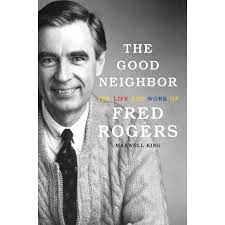
I’ll confess something. I didnt watch Mister Roger’s Neighborhood. And the little I did watch, I found slow and boring so I didn’t really know or care about his life until I was an adult and my mom made me watch the new documentary on his life. From there I had to know more about this almost unbelievably kind man. King’s book is meticulously researched taking on interviews, documents, media appearances, and more stories from those who knew him intimately. It starts from the very beginning of the Roger family tree detailing their community works and how their faith played in a role in their life, and of course, Fred’s life. It continues to his life in college and work on Kid’s Tv where he began to firmly form his opinions on what children’s television should be, the child psychology/philosphy he followed and how he went on to create such a ground-breaking show that touched millions. It also tackles the myths and conspiracy theories that have popped up around Rogers. Don’t worry it doesn’t always put Rogers in a divine light, King also writes of his Roger’s brief homophobia before changing his mind. For you see, Rogers was a good man because he listened to others and was capable of changing and expanding his mind because in the end everyone is special.
Jim Henson by Brian Jay Jones
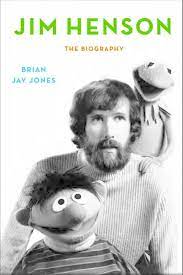
This biography talks about the hands and the brain behind the world fmaous muppets who brought pupeteering to a new height of creativity and imagination. Henson was truly a one of a kind dreamer whose boundless ambition and ideas helped painstakingly create one of kind creations to play, dance and go into song. His company was full of friends and fellow creatives even though his friendly-style put him at odds sometimes when he was forced to be the “bad news guy” and take charge of it all. In details the frenatic pace that came with creating The Muppet Show, the actors chosen for each muppet, his failed experimental attempt at the Dark Crystal movie as well as his estranged personal relationship with his wife to whom he was creative partners with yet cheated on multiple times.
Becoming Dr. Seuss: Theodore Geisel and the making of an American imagination by Brian Jay Jones
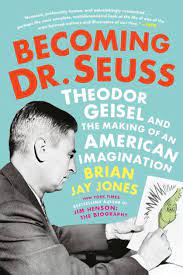
Like above, Jones does a good job detailing Seuss or the case of his real name, Geisel’s genius and his failings detailing his first imaginative doodle satire in college, and his work in the army before venturing into the field of children’s publishing like being part of the groundbreaking Bright and Early Board books that changed reading demographics (and his fights with the editor), his imaginative attempts to experiment with his messages, his friendships with the Berensteins and his joyful and tragic personal life.
In the Great Green Room: The Brilliant and Bold Life of Margaret Wise Brown by Amy Gary
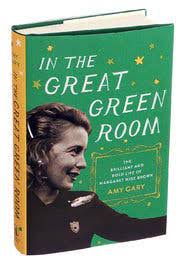
She may be best known for Goodnight Moon but Brown had a fascinating life before she made her debut book. A young girl fraught with insecurity that is resent throughout her life, she became one of the few women graduating college in the 30s and in a twist of right place, right time, she joined the think tank at Bank Street College which was the forefront of children’s literature and education before heading off to freelance for the foundling company Little Golden Books (recognize those?). Like I said she was fraught with insecurity, in despite having such imaginative ideas coming up with poems and stories on the spot and new forms of books (like one shaped as a house instead of standard rectangle form), she had a fraught love life with men and women developing clingy, insecure relationships with those who didn’t give her the love she craved. It also tackles her legal troubles, her unqiue childlike tone and the NY Public Library’s consistant rejection of her works. It is truly a fascinating look into one fascinating woman.
Ball of Fire: The Tumultuous Life and Comic Art of Lucille Ball by Stefan Kanfer
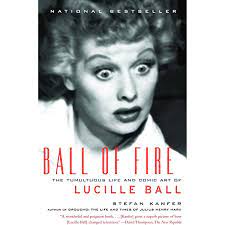
Consider one of the definitive biographies of Lucille Ball’s life, Kanfer delves into her childhood in the great Depression, her close bond with her Communist-leaning grandfather (a fact that brought trouble come the McCarthy era in the 50s), her Broadway dreams and her singular comedic attitude towrds life that separated her from the rest of the chorus girl pack. Not only does it separate some of the legend from fact of Lucy’s life but depicts the complexities of the DesiLu relationship, the foundations of the sitcom system that I Love Lucy helped to pioneer and the nuances in Lucy’s personal life than is sometimes at odds with her eternally sunny disposition in the show. After all Lucy may have had some ‘splaining to do but Lucille had a shrewd brain and a fiery personality that showed true genius.
 Rachel Reads & Reviews
Leave a comment